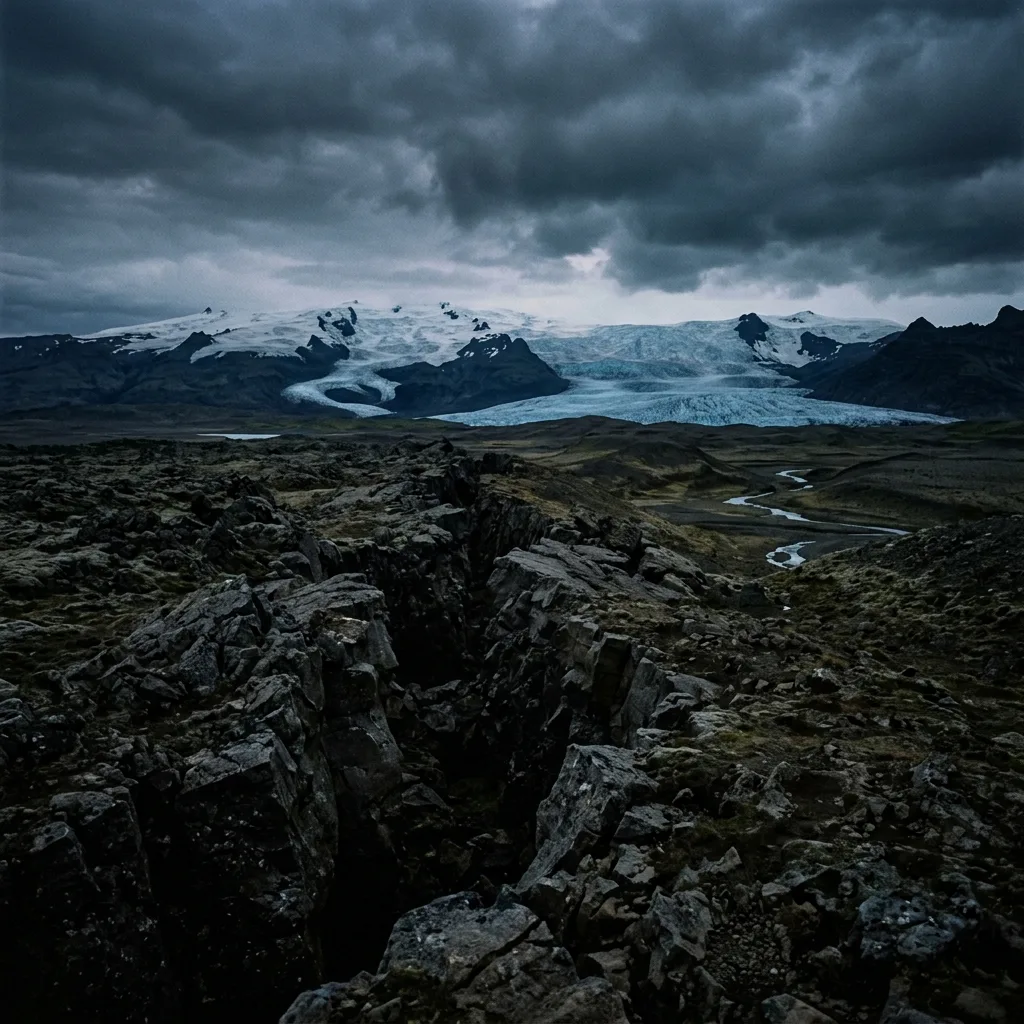
Survival Tips
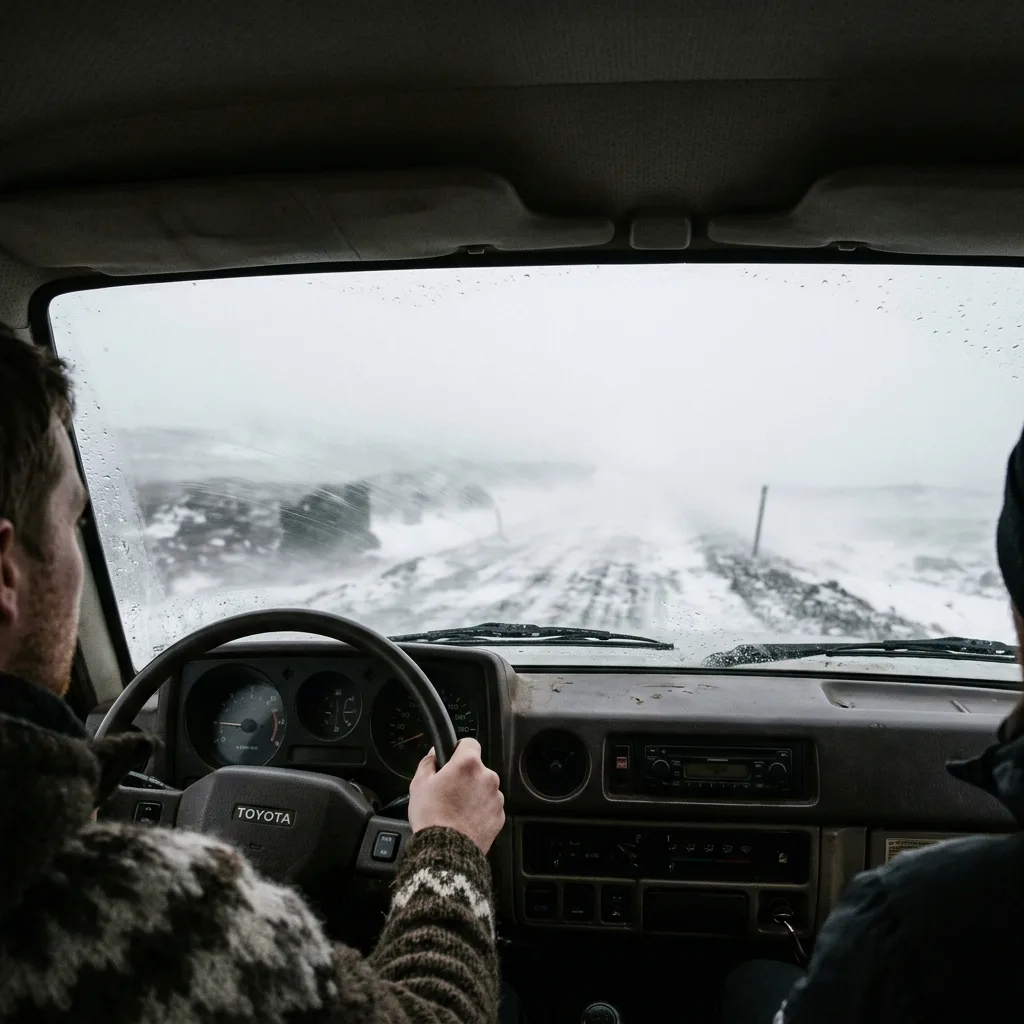
Iceland's F-Roads: When the Road and Horizon Disappear
Driving in Iceland presents distinct hazards, from unbridged glacial rivers on summer-opened F-roads to winter whiteouts that can eliminate depth perception.
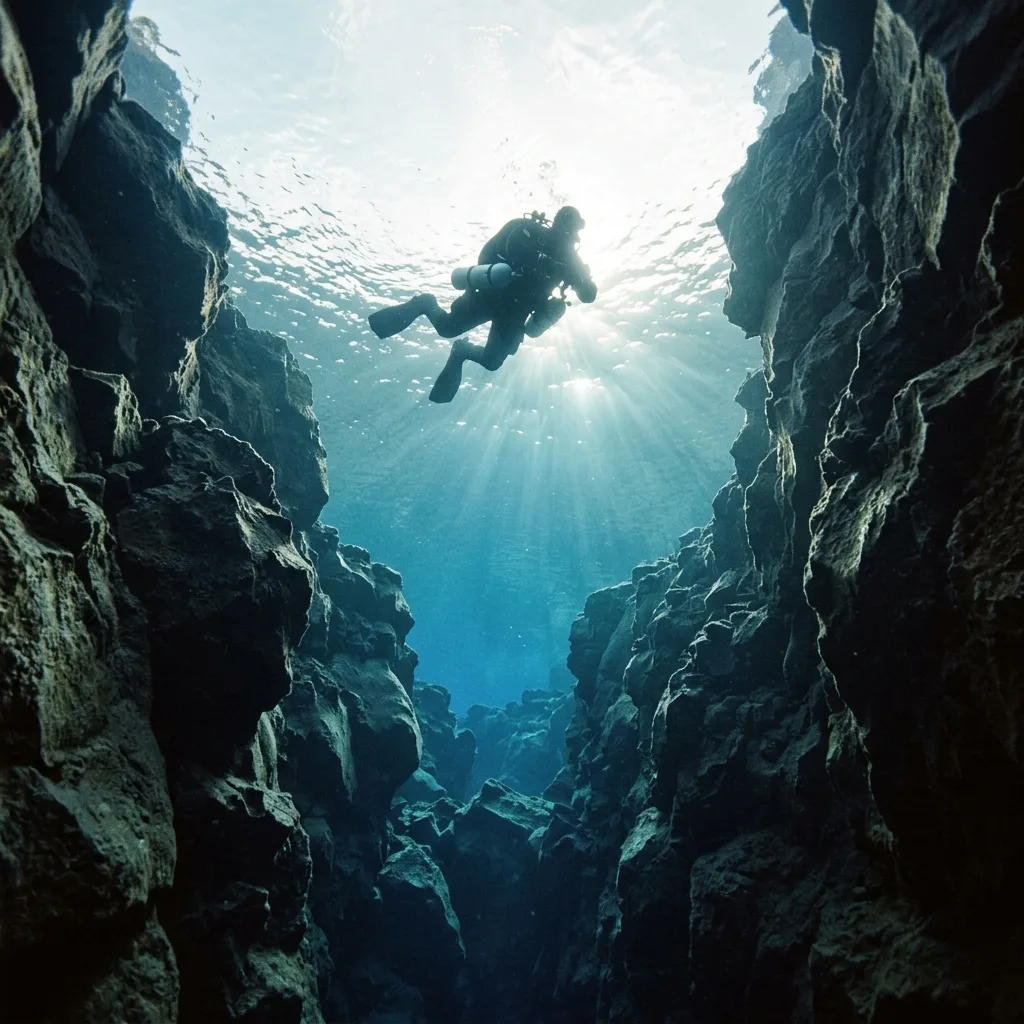
Silfra: What Happens to the Body in 2°C Water
Beneath the clarity of Silfra, the body faces two conflicting physiological responses when the face touches 2°C water: the cold shock response and the diving reflex.
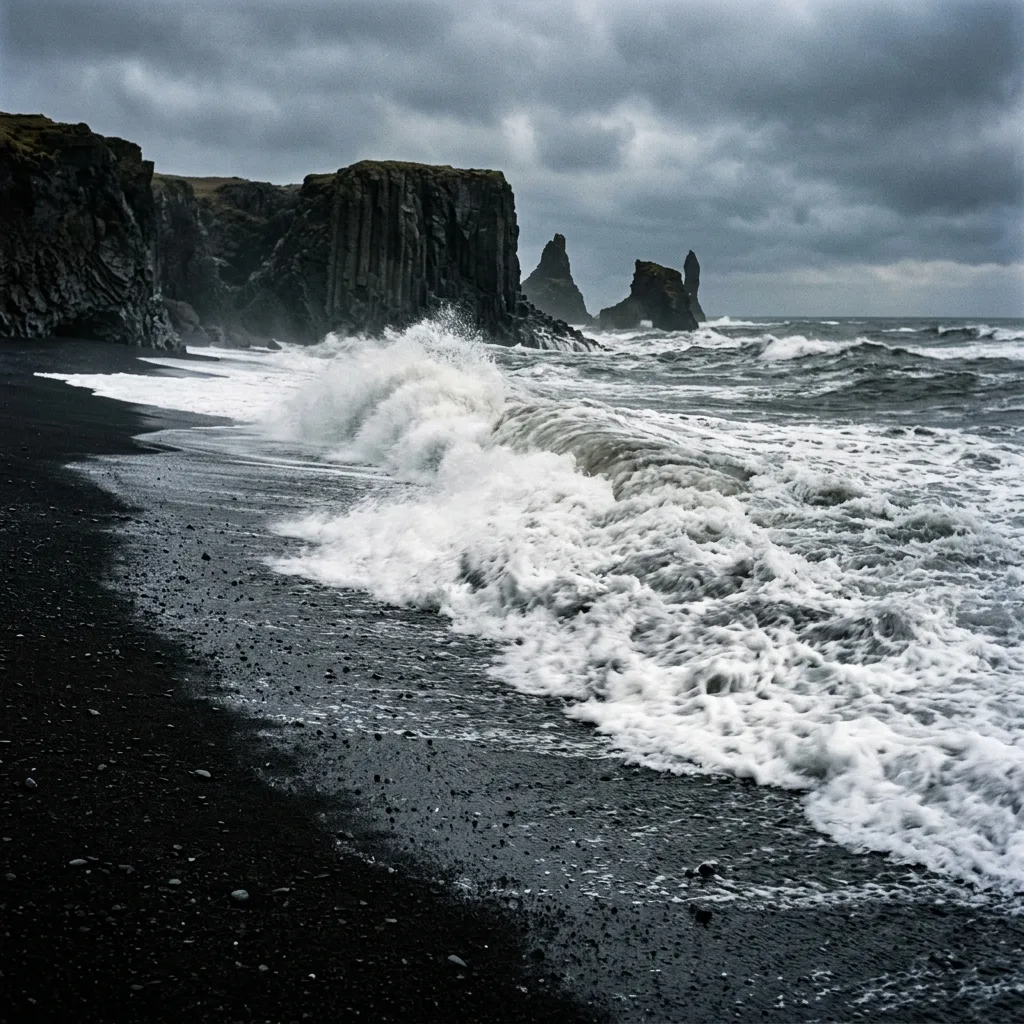
Reynisfjara: Why This Black Sand Beach Is an Active Hazard Zone
Reynisfjara is famous for its black sand and basalt columns, but sneaker waves make its shoreline dangerous. Learn how the zoning system and warning lights work.
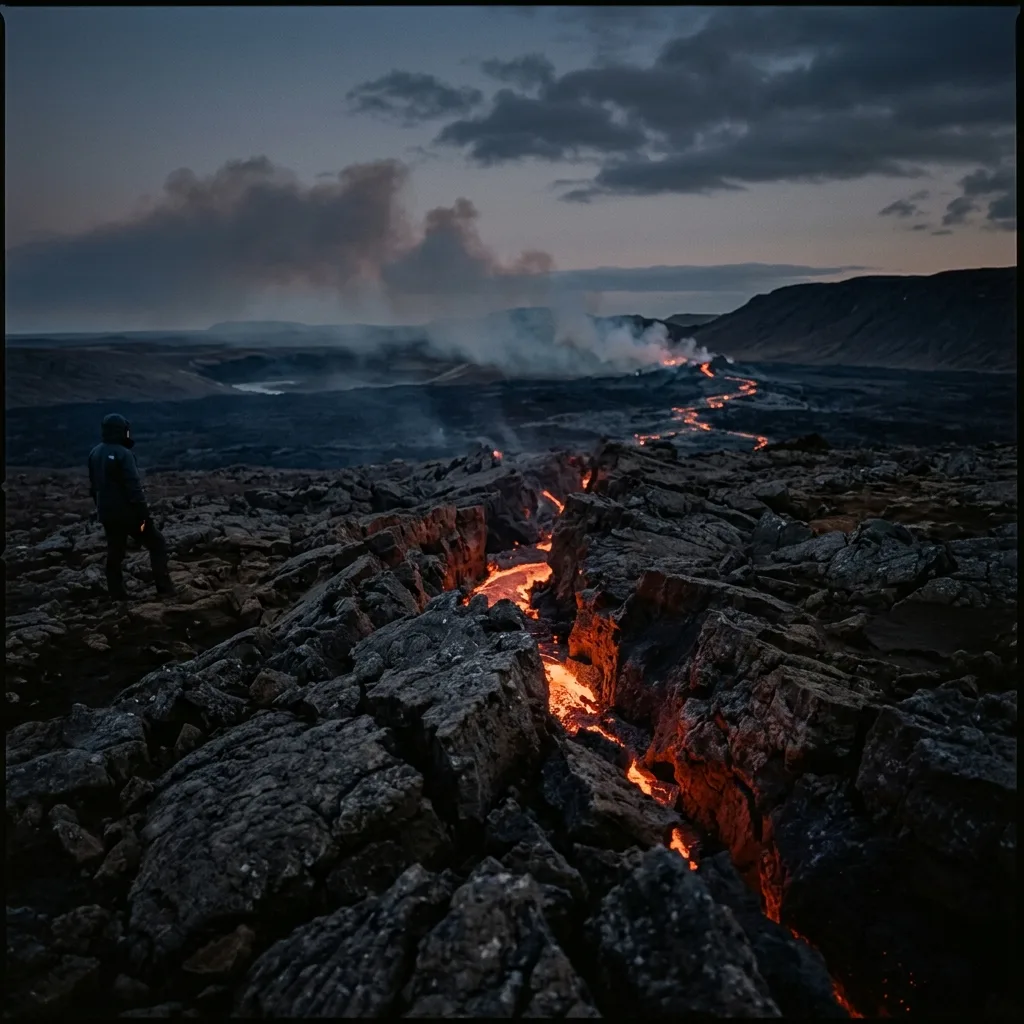
The Stealth Hazard Behind Iceland's Eruptions: Volcanic Gas
Lava is visible; volcanic gas is not. Learn how wind and topography can cause dangerous gases to accumulate around Iceland's active eruption zones.
Bizarre Culture
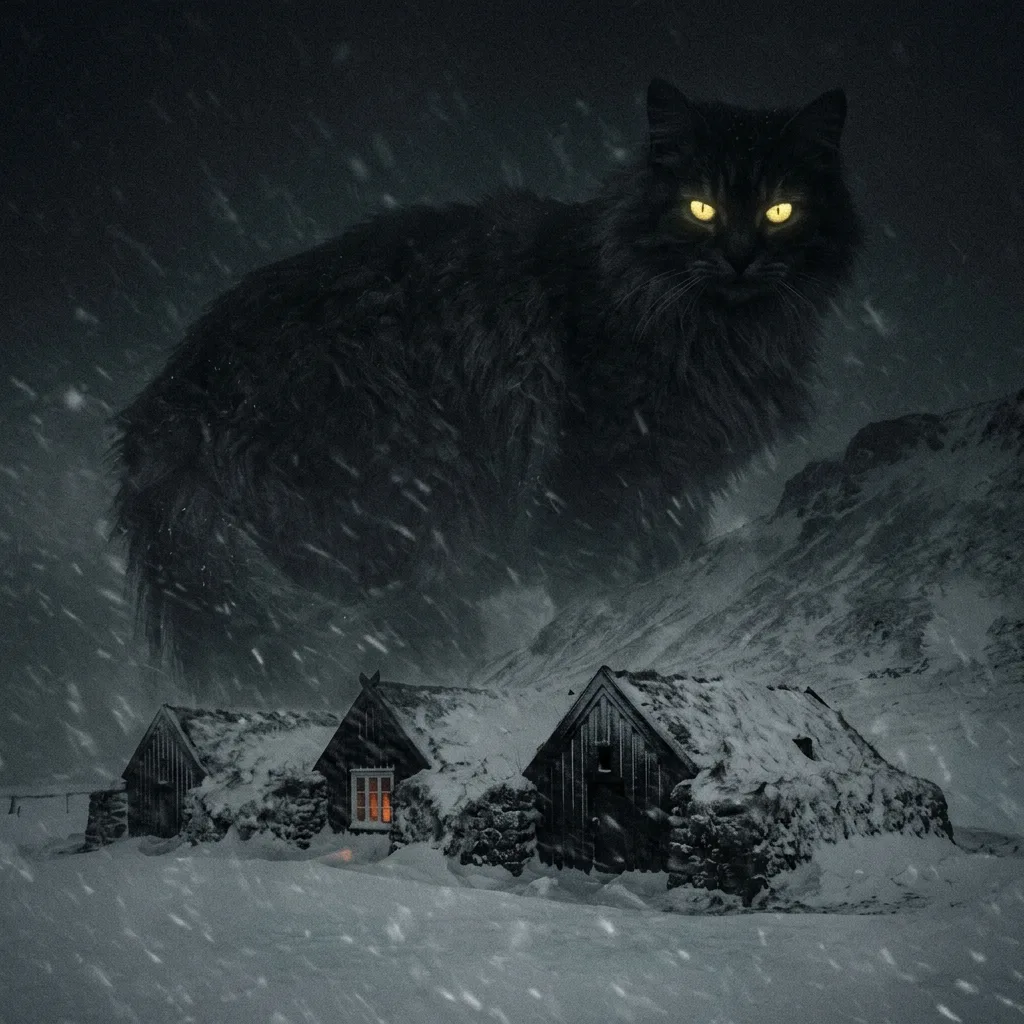
Grýla and the Yule Cat: The Dark Side of Icelandic Christmas
While Christmas traditions in many places feature Santa Claus, Icelandic folklore has Grýla who preys on children and a giant cat that hunts those without new clothes.
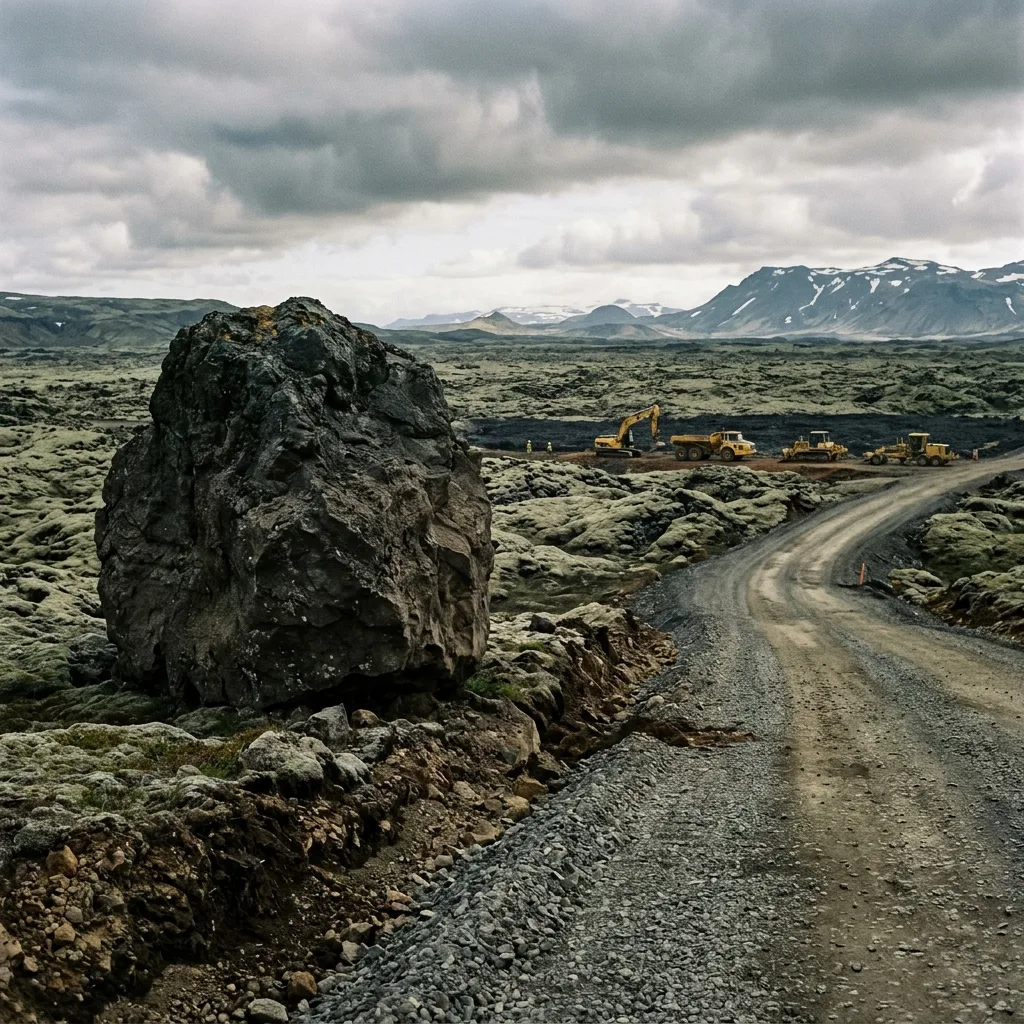
Huldufólk: The Hidden People Guarding Iceland's Landscape
In modern Iceland, infrastructure projects sometimes intersect with local folklore. The stories of the Huldufólk have even been part of real debates regarding road construction and landscape preservation.
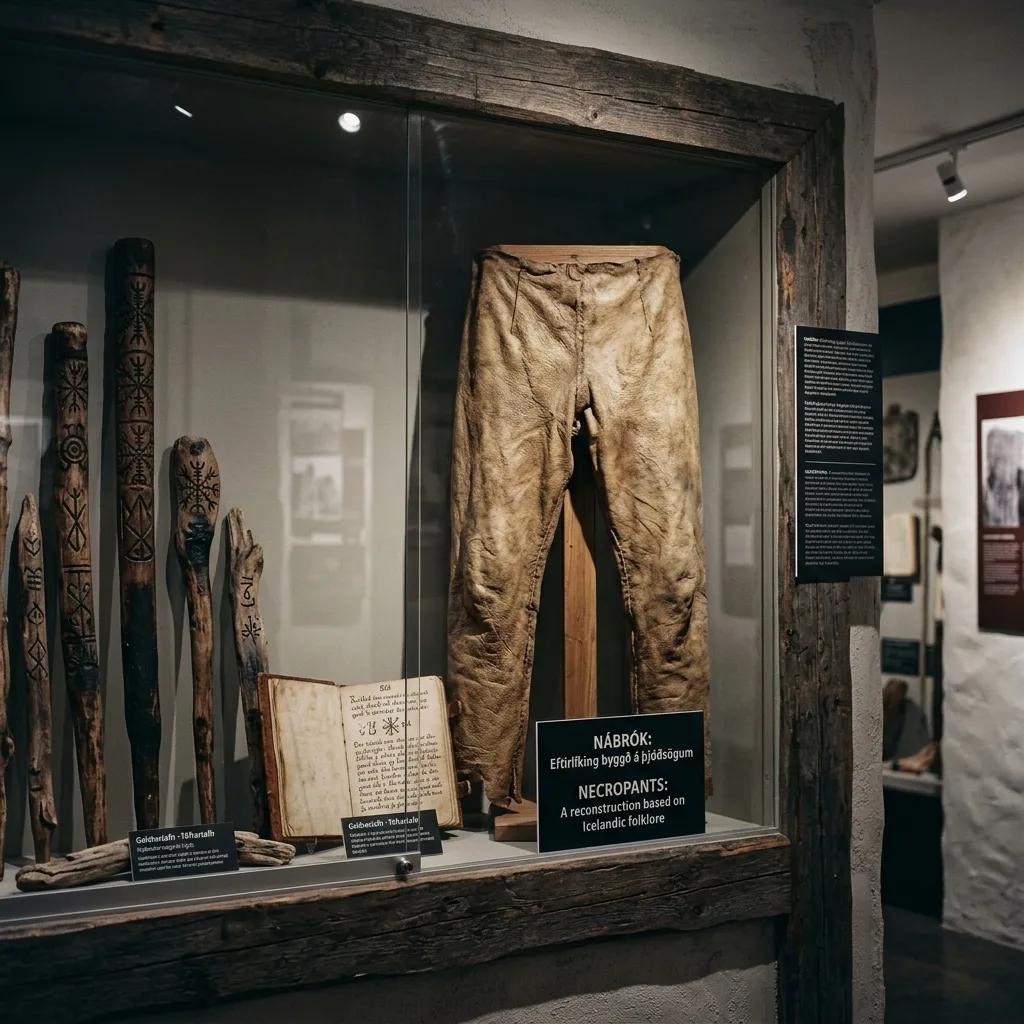
Strandagaldur: The Necropants and the Economics of Icelandic Sorcery
The Strandagaldur Museum in Hólmavík preserves one of the strangest aspects of Icelandic folklore: magical symbols, 17th-century court records, and the Nábrók—a gruesome ritual that supposedly used the skin of the dead to generate wealth.
Abandoned Places
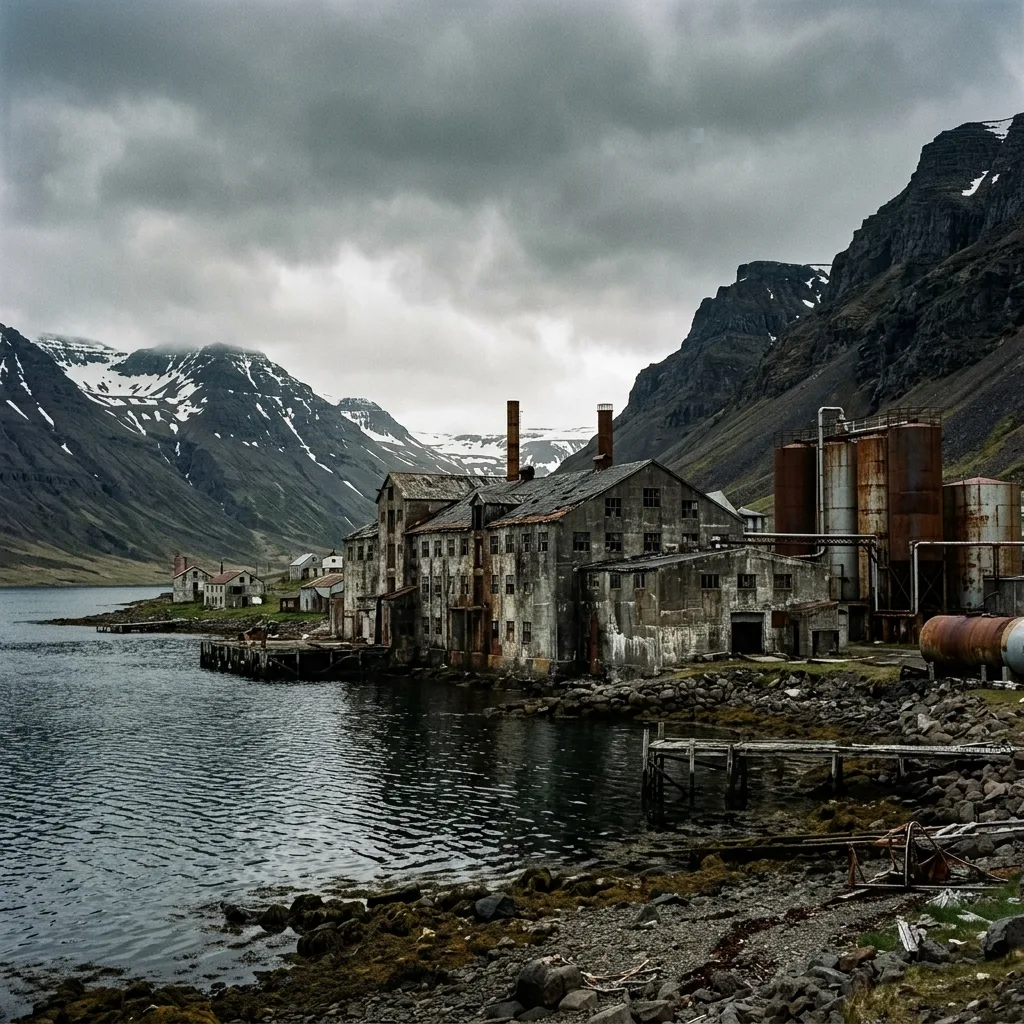
Djúpavík Ghost Factory: The Ruins of Iceland's Herring Rush
A 90-meter concrete monolith in the remote Westfjords stands as a rusting monument to an ecological collapse and the grueling labor of the Síldarstúlkur.
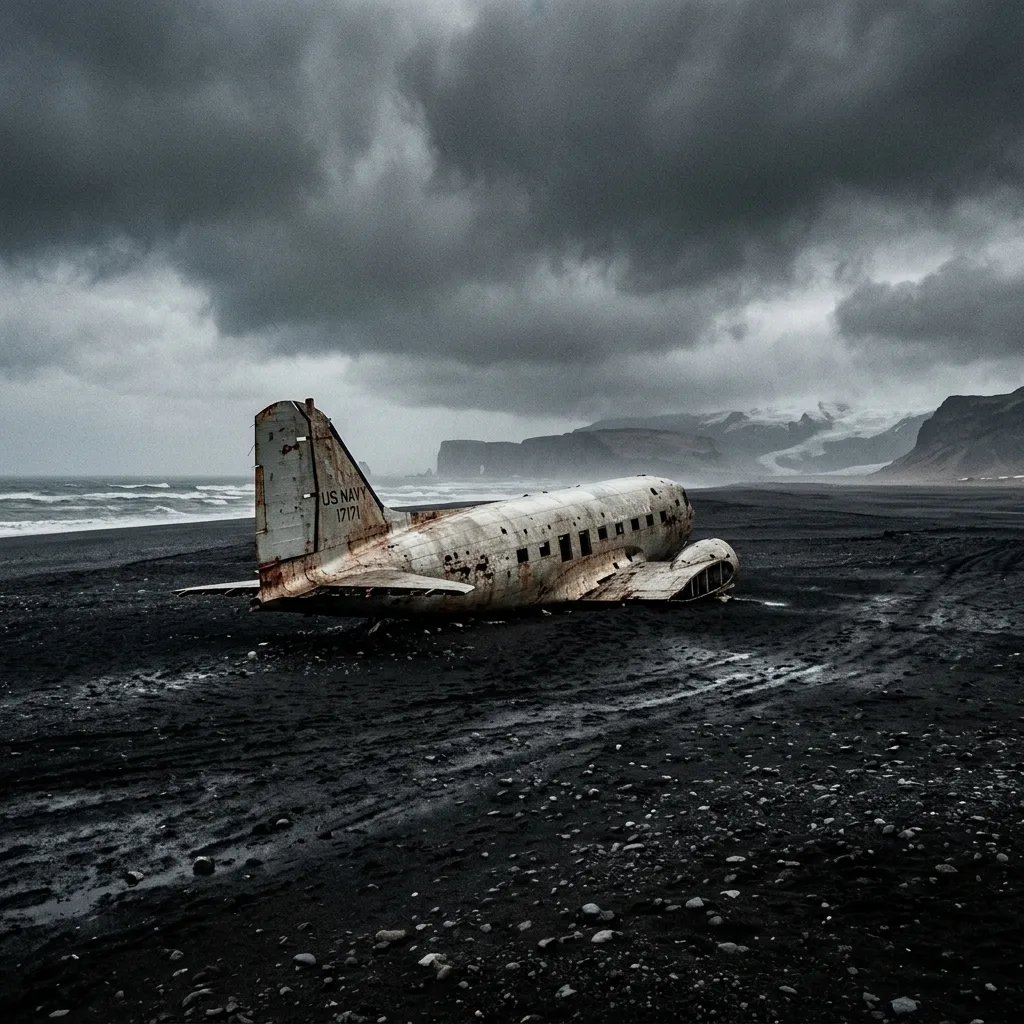
The Frozen Ghost of Sólheimasandur: A Monument to Icelandic Weather
Far out on a desolate black sand plain lies the hollowed shell of a U.S. Navy transport plane. But the true danger of Sólheimasandur isn't the crash itself—it's the brutal, deceptive walk to reach it.
Extreme Food
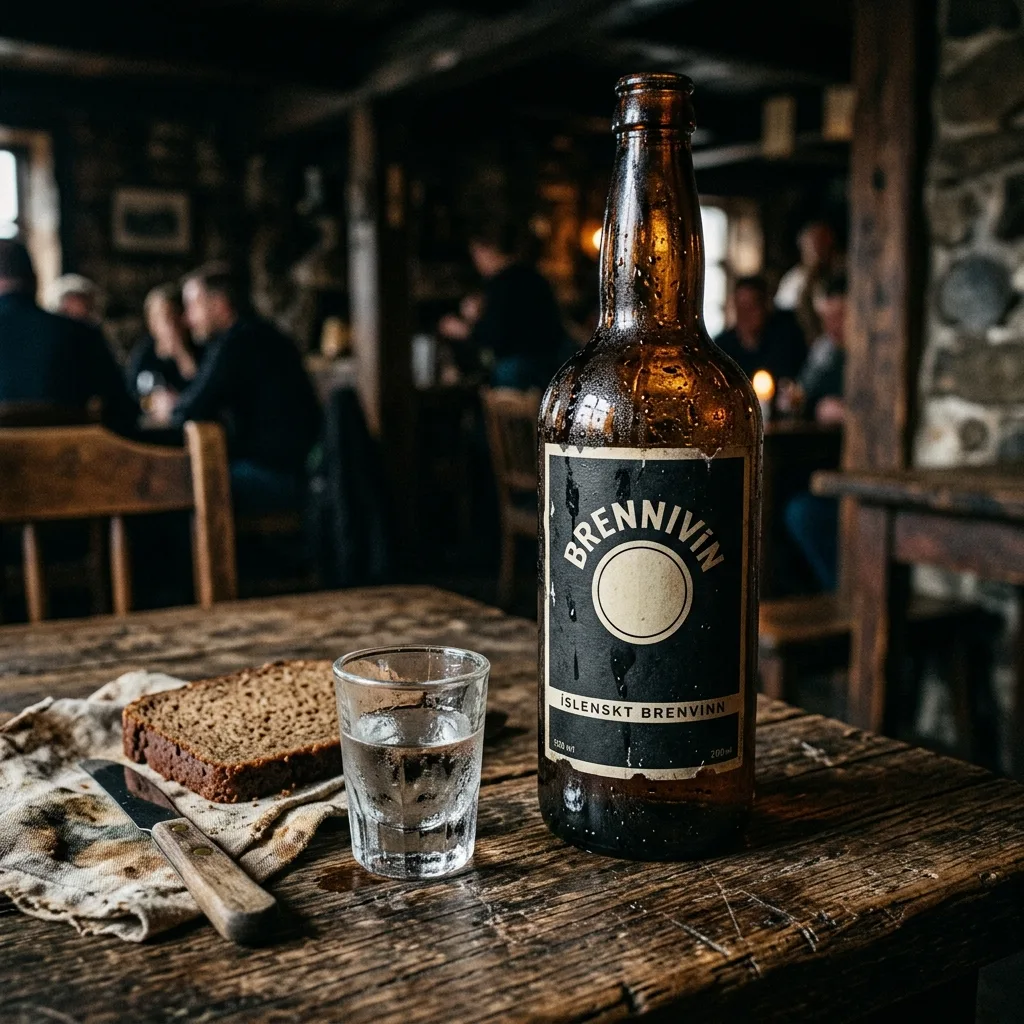
Svarti Dauði: The 'Black Death' Liquor of Iceland's Prohibition
Introduced in 1935 amidst Iceland's unusual alcohol policies, Brennivín became known for its stark black label and the sinister nickname Svarti Dauði—'Black Death'.
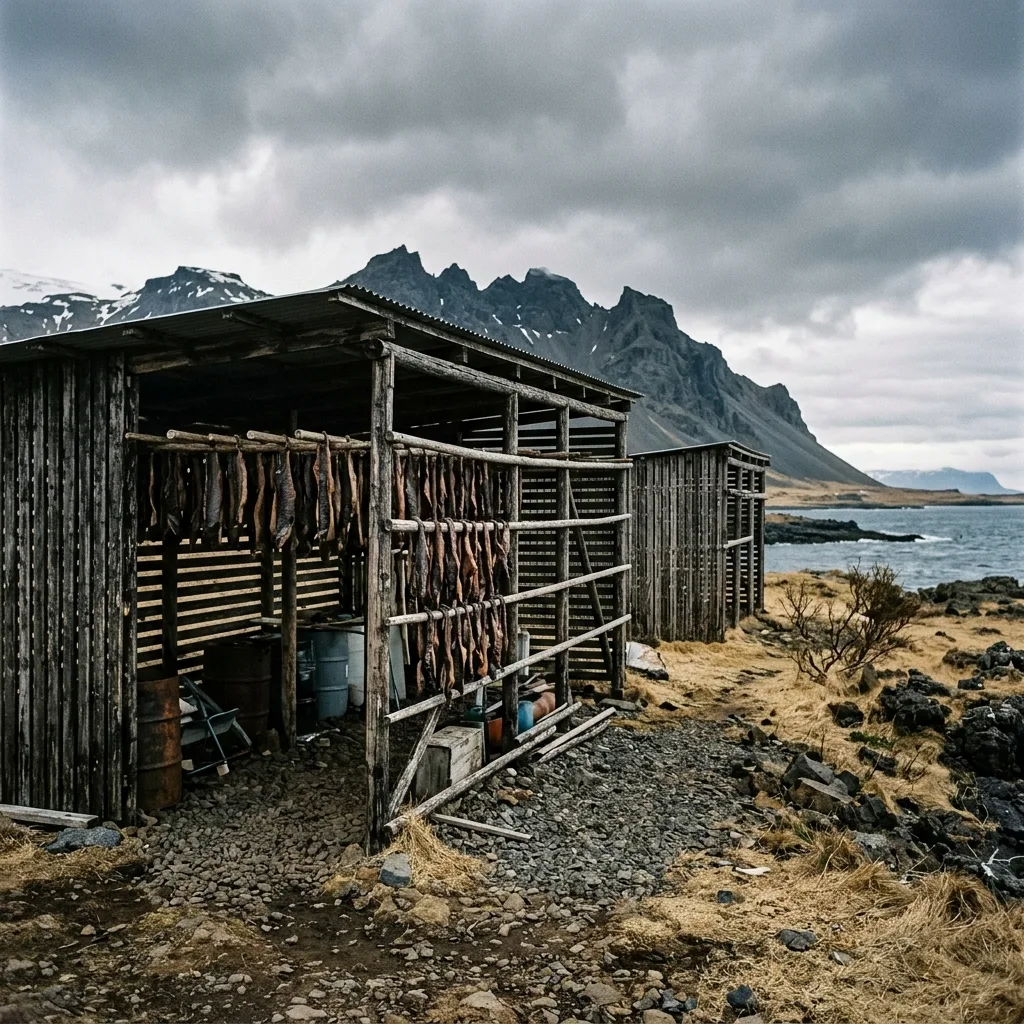
Hákarl: The Biochemistry of Icelandic Survival
Behind its reputation as an extreme food challenge, Hákarl is the result of a preservation technique that allows the otherwise unsafe meat of the Greenland shark to be consumed as a traditional Icelandic food.
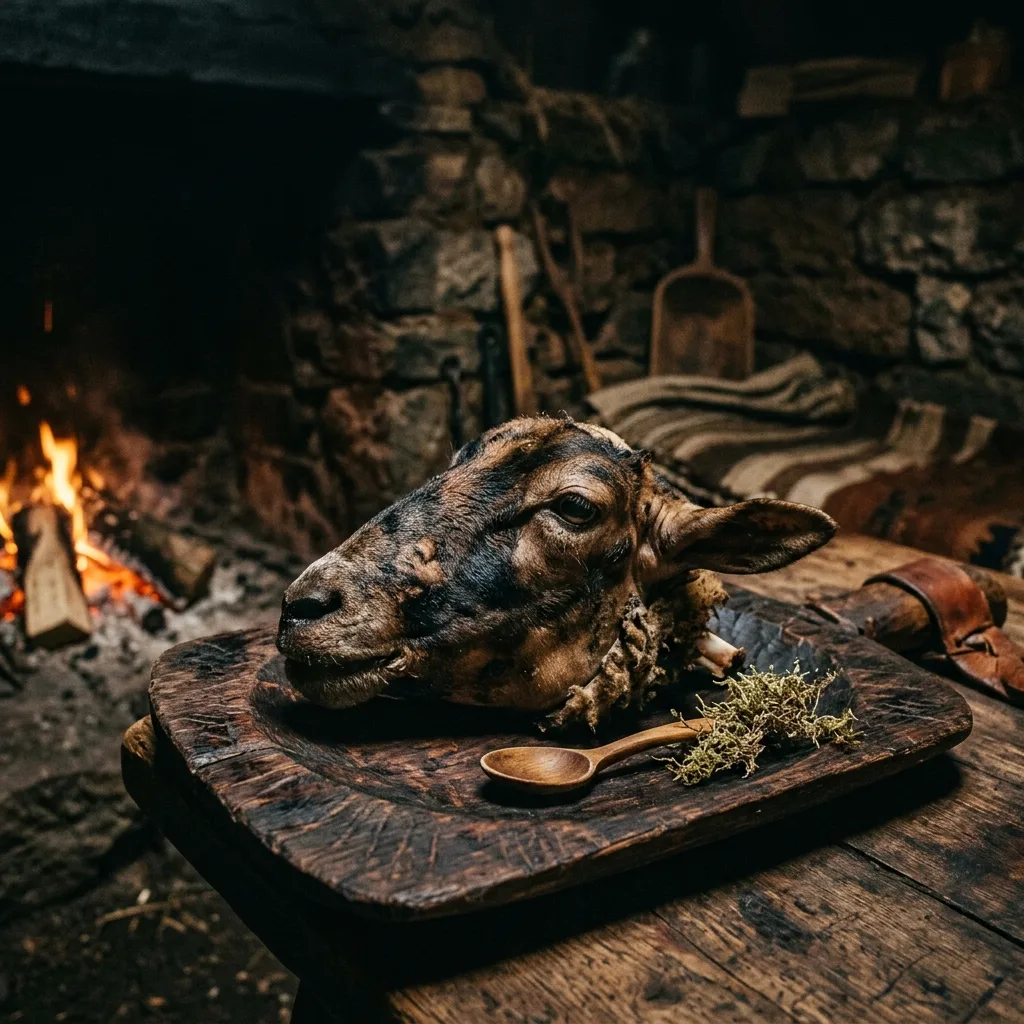
Svið: The Zero-Waste Economics of a Boiled Skull
Eating half a sheep's head is a stark confrontation with mortality. In historical Iceland, Svið was not a morbid curiosity, but a masterclass in zero-waste survival.