Huldufólk: The Hidden People Guarding Iceland's Landscape
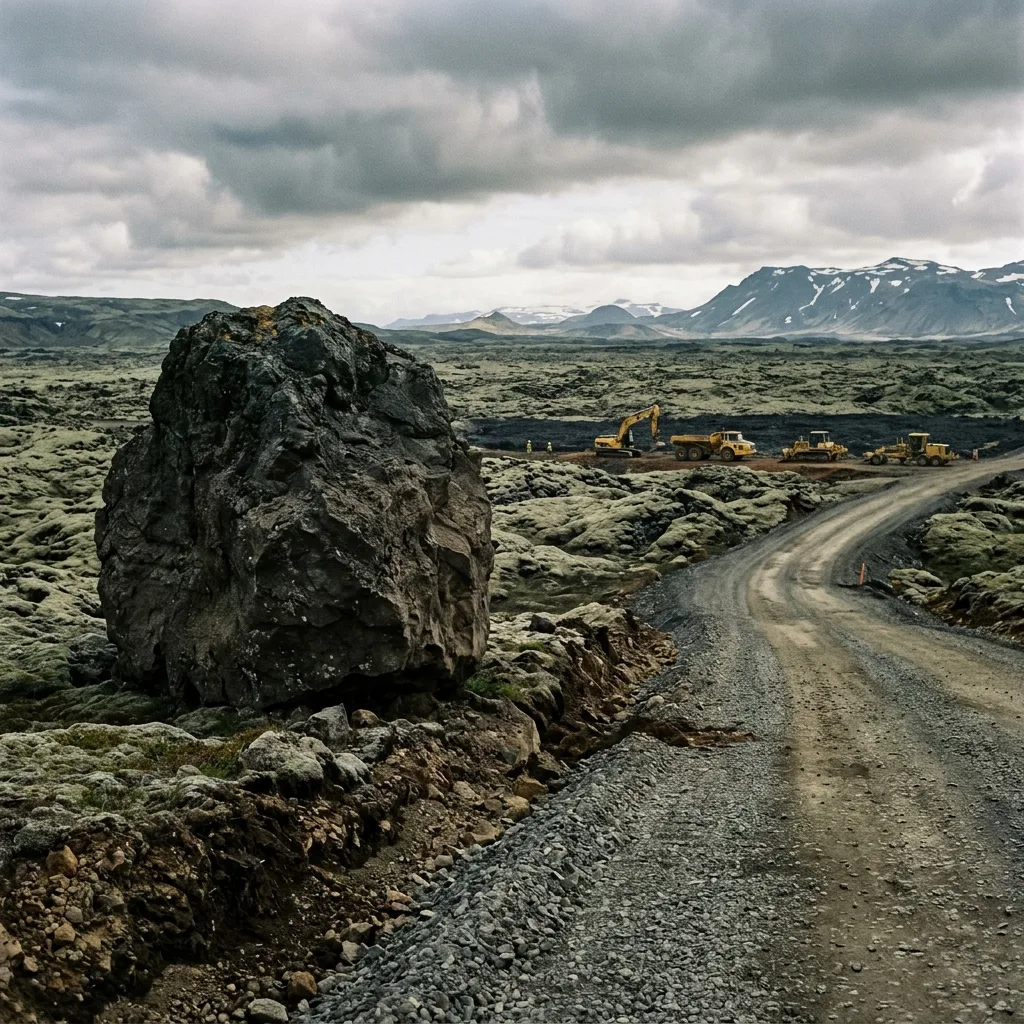
In modern Iceland, infrastructure projects sometimes intersect with local folklore. The stories of the Huldufólk have even been part of real debates regarding road construction and landscape preservation.
In 2013, a new highway project connecting the Álftanes peninsula to Garðabær in Iceland was temporarily delayed by an unusual alliance. On one side was the environmental group Hraunavinir, determined to protect the Gálgahraun lava field. On the other side was Ragnhildur Jónsdóttir, a local woman who claimed to communicate with the Huldufólk and argued the project would destroy Ófeigskirkja—a 50-ton basalt rock she believed to be a church for the hidden people.
This conflict attracted international media attention with sensational narratives that Icelandic road construction was halted by elves. However, the reality on the ground was far more bureaucratic and pragmatic. The highway was eventually built. As part of the conflict's resolution, the Icelandic Road and Coastal Administration (IRCA) agreed to carefully relocate the 50-ton boulder to another location within the lava field.
Cases like this do not mean Icelandic authorities accept the existence of the Huldufólk literally. Local tradition can be one of the social and cultural factors considered when projects intersect with locations deemed important by the community. In some development conflicts, the protection of an "elf rock" can also align with efforts to preserve the surrounding natural landscape.
When Folklore Meets Development
Folklorist Valdimar Tr. Hafstein, in his 2000 paper published in the journal Fabula, discusses how stories about elves can be used by local communities in conflicts over landscape changes and development. In a modern context, stories of the hidden people can serve as a tool for social negotiation to slow down change or advocate for environmental protection. Hafstein also notes that in various stories, the Huldufólk are often depicted resembling Icelanders, but living hidden within the landscape, often wealthier and in control of nature.
Huldufólk in the Modern Era
Today, this dynamic has changed significantly. Huldufólk stories are now also part of Reykjavík's tourism industry, ranging from folklore-themed tours to various souvenirs.
The Gálgahraun case demonstrates that conflicts between development, landscape preservation, and Huldufólk traditions have indeed influenced decisions regarding specific objects. However, this does not mean every curved road or preserved rock in Iceland is related to a belief in elves.
The Gálgahraun case shows that the Huldufólk still have a place in modern Icelandic conversations—not because every official believes there are elves inside rocks, but because folklore, landscape, and local identity are not always easily separated. The road was eventually built. The rock was not destroyed, but relocated.
Frequently Asked Questions
Are there actual laws protecting elves in Iceland?
There are no specific laws protecting elves. However, development projects may consider cultural, historical, environmental values, and community objections regarding specific locations tied to Huldufólk traditions.
Do Icelandic construction companies really hire 'elf seers'?
Some development conflicts have involved people claiming to communicate with the Huldufólk, such as Ragnhildur Jónsdóttir in the Gálgahraun case. However, this does not mean hiring an 'elf seer' is a standard procedure in Icelandic construction projects.
Do Icelanders actually believe in the Huldufólk?
There is no simple answer. Attitudes toward the Huldufólk range from literal belief to mere respect for folklore tradition. Cases like Gálgahraun show that these stories retain cultural significance even when the existence of magical beings is not accepted literally.