Tameshigiri: The History of Japanese Sword Testing
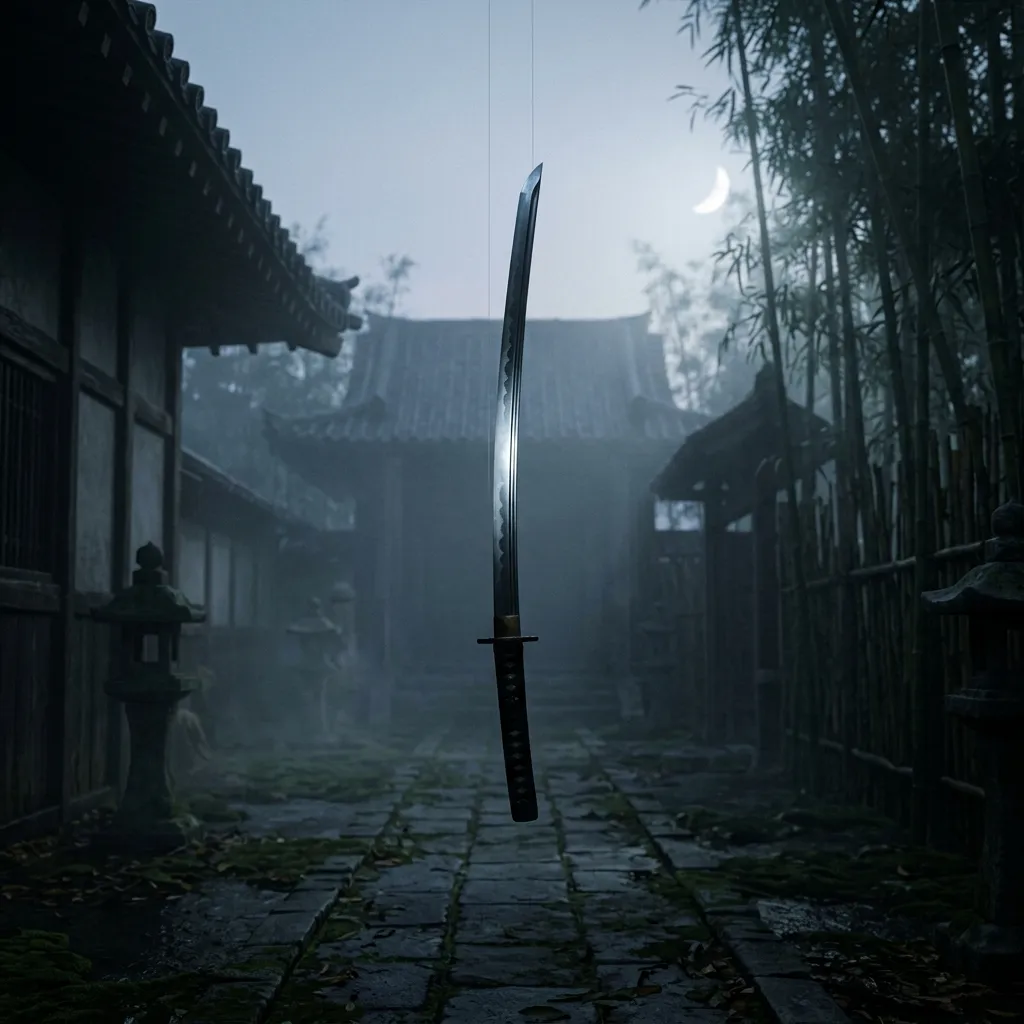
During Japan's Edo period, professional sword testers evaluated blades on targets that could include the bodies of executed criminals, with some surviving swords still carrying inscriptions recording the results.
What Was Tameshigiri?
Some surviving Japanese swords carry an unusual kind of historical record: an inscription stating how the blade performed in a cutting test. In Edo-period Japan, those tests could involve the bodies of executed criminals. Historically, tameshigiri primarily referred to test cutting used to evaluate the cutting ability or quality of a blade; in modern martial contexts, the term is also commonly applied to cutting practice used to evaluate a practitioner's technique. Most documented examples discussed in official contexts utilized the remains of executed criminals. Historical literature also contains accounts of cutting tests involving living condemned prisoners, although corpse testing is much better documented. The primary logic behind formal sword testing was practical, but it also became entangled with appraisal, reputation, punishment, and the economics of the sword trade. Practices varied across time, tester lineages, patrons, and the purpose of the test; there was no single procedure representing every historical instance of tameshigiri. For warriors and collectors alike, confidence in a blade's quality mattered, and documented cutting performance could enhance its reputation and value.
The Yamada Asaemon Sword Testers
As the tradition of sword appraisal developed, specialists emerged who professionally tested the cutting ability of blades. Members of the Yamada Asaemon line became hereditary specialists associated with the Tokugawa bakufu, performing sword tests and executions. By performing sword tests for the bakufu and other patrons, the family came to dominate official testing for the bakufu through the hereditary role known as o-tameshi-goyō. Yamada Asaemon V Yoshimutsu (吉睦; the given name is rendered differently in some Western sources) was closely involved in the 1797 compilation of the Kaihō Kenjaku. This was a sword appraisal work that, among other things, classified swordsmiths according to the reputed cutting performance of their blades, based on testing experiences and appraisal traditions compiled by its authors. Surviving records of these tests often describe the procedure in technical rather than emotional terms, emphasizing the cut, target, and result.
Why Human Bodies Were Used
The use of human remains for testing was deeply connected to the Edo penal system. The bodies used for such tests could come from executed criminals whose remains were made available for sword testing. This arrangement allowed executioners and testers to utilize corpses for evaluating blade geometry and cutting power. Formalized cuts and target arrangements created a degree of consistency, although results still depended heavily on the cut attempted, target condition, blade, and tester. Bodies could be positioned on a prepared earthen testing mound (dotan), with the arrangement carefully set before the cut. Because the result reflected both blade performance and the tester's technique, consistency in target arrangement and test execution mattered.
Osteological Evidence of Sword Testing
Evidence for this practice comes not only from textual records and sword collecting traditions. Anthropological research on Edo-period human skeletal remains has identified repeated sharp-force trauma, including horizontal severing of vertebrae and ribs, interpreted by researchers as evidence of tameshigiri. These findings provide concrete osteoarchaeological evidence for the practices described in historical written sources, firmly linking the physical reality of the executions and tests with the penal system of the time.
How Edo Sword Tests Were Recorded
The results of some cutting tests were recorded directly on the sword's tang (the unpolished base of the blade that fits into the handle, known as the nakago). Such inscriptions could document the tester, date, type of cut, target configuration, and result. Tameshi-mei is a broad term for inscriptions associated with cutting tests, while saidan-mei refers more specifically to inscriptions recording a cutting result. These records were sometimes rendered in gold inlay (kinzōgan-mei), though gold inlay is a technique rather than a synonym for cutting-test inscriptions. The violence became documentation. These inscriptions turned an ephemeral act of violence into a permanent archival record of a sword's physical capability.
What Multi-Body Cutting Tests Actually Meant
Various cuts tested the blade against different anatomical targets, presenting different levels of resistance. Historical literature mentions tests where multiple bodies were severed in a single stroke, but the number of bodies was not the only metric. The location of the cut and the configuration of the bodies mattered immensely. A successful test depended on precise edge alignment and the skill of the tester. The result depended on an interaction between blade geometry, metallurgy, target placement, and the tester's technique.
From Human Bodies to Modern Tameshigiri
As Japan dismantled the Tokugawa order during the Meiji period, the institutional structure that had supported professional executioners and sword testers disappeared. The term tameshigiri later came to be used in modern martial arts for cutting practices on non-human targets. Today, rolled tatami and green bamboo provide standardized targets with enough resistance to expose poor edge alignment and cutting technique; practitioners sometimes compare their resistance loosely to soft tissue and bone, but they are not anatomical substitutes. Modern martial tameshigiri differs fundamentally in purpose, context, and targets from institutional sword testing in Edo Japan. Yet some surviving blades still carry tameshi-mei on their tangs—brief technical inscriptions preserving the tester, the cut, and the result. They turn an act that lasted seconds into a record that has survived for centuries.
Frequently Asked Questions
Are swords with historical tameshigiri inscriptions still known today?
Yes. Surviving Japanese swords with documented cutting-test inscriptions (tameshi-mei or saidan-mei) remain in museum and private collections. Genuine examples are uncommon and require careful authentication because inscriptions themselves can also be questionable.
What targets are used in modern tameshigiri?
Common modern targets include rolled tatami omote and green bamboo, which provide enough resistance to reveal poor edge alignment while avoiding the use of human targets.
What is the difference between tameshi-mei and saidan-mei?
Tameshi-mei is a broad term for inscriptions associated with cutting tests. Saidan-mei (or setsudan-mei in some terminology) refers more specifically to inscriptions recording a cutting result. Some such inscriptions were executed in gold inlay, called kinzōgan, but gold inlay is a technique rather than a synonym for cutting-test inscriptions.