Samurai and Ninja: The History Behind Japan's Warrior Myths
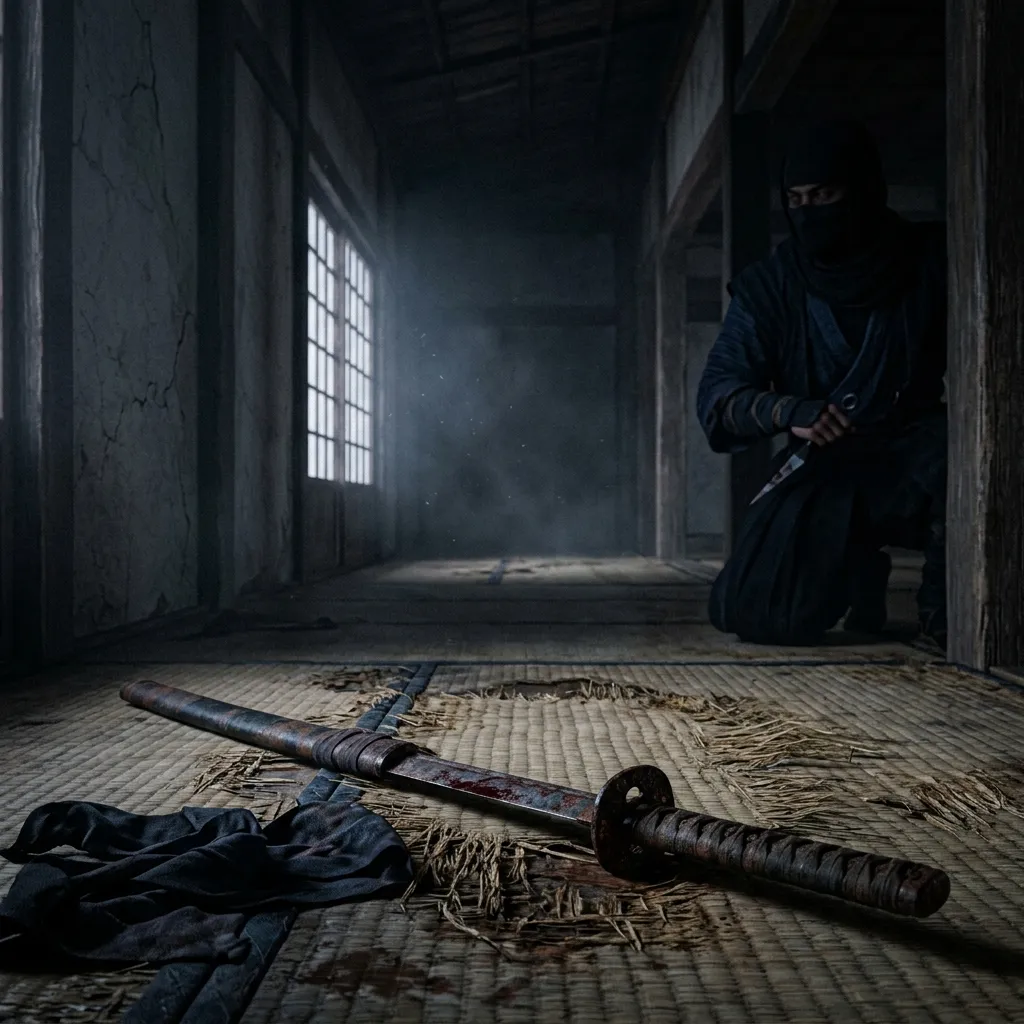
The iconic image of the unwavering samurai and the supernatural ninja obscures a far more complex historical reality of transactional loyalty, pragmatic espionage, and the later invention of tradition.
The iconic image of the noble samurai bound by an unbreakable code of honor, fighting a shadow war against mystical ninja assassins, is one of Japan’s most successful cultural exports. Yet, many of the popular images we associate with these warriors are retrospective constructions. The clear dichotomy between honorable swordsman and dishonorable spy obscures a historical reality that was far more pragmatic, transactional, and adaptable than modern mythology suggests.
Samurai Loyalty Was More Complicated Than Bushidō
Long before the Sengoku (Warring States) period popularized the romantic image of the warring lord and his devoted vassals, medieval warrior records already showed that military service could be highly transactional. Historian Thomas Conlan's analysis of fourteenth-century battle documents demonstrates that medieval warriors often negotiated service through expectations of land, rewards, and recognition. If a lord failed to compensate battlefield exploits adequately, his retainers might shift their allegiances. The relationship was grounded in practical survival and economic reality, not an abstract cult of existential loyalty.
How Bushidō Became a Samurai Ideal
The perception of the samurai as unwavering servants bound by the ancient code of Bushidō is a concept that requires careful historical contextualization. While ideals of bravery and duty existed early on, the unified moral tradition now popularly called Bushidō was largely constructed and systematized much later, particularly from the late nineteenth century onward. Texts such as the Hagakure expressed particular Edo-period ideas about warrior conduct, but they did not represent a single universally accepted samurai code. They were authored not in the heat of a battlefield, but in an era of peace by men looking back with nostalgia, attempting to define the purpose of a warrior class that no longer had wars to fight.
Seppuku Was Not One Unchanging Ritual
The practice of seppuku (ritual suicide by abdominal cutting) is frequently cited as the ultimate proof of samurai stoicism. Early recorded instances included warriors taking their own lives after defeat or to avoid capture, but the ritual did not remain a static, agonizing practice throughout history. As historian Eiko Ikegami notes, during the Tokugawa shogunate, the state transformed seppuku into a highly formalized, institutional privilege for the samurai class. In many formalized later-period instances, the ritual was heavily choreographed to minimize prolonged suffering. A kaishakunin (a designated second) would stand behind the practitioner and deliver a precise decapitating cut almost immediately after the initial incision, preserving the formal dignity of the ritual.
What Shinobi Actually Did
Operating in the same chaotic historical landscape were the shinobi (commonly known today as ninja). Rather than the black-clad, supernatural assassins of later theatrical tradition, historical shinobi were essentially intelligence operatives, scouts, and irregular infantry. Methods associated with shinobi practice are documented in 17th-century manuals like the Bansenshukai. The text reveals that a shinobi's primary tools were not exotic throwing stars, but what we would now call social engineering, disguise, and psychological manipulation.
Infiltration relied heavily on exploiting human habits rather than scaling sheer walls in the dead of night. Shinobi frequently posed as traveling monks, merchants, or laborers to gather intelligence and map rival territories. When physical sabotage was required, they were highly pragmatic, favoring the use of early gunpowder, arson, and lock-picking. Setting fire to a domain’s food stores caused far more strategic damage to an enemy army than attempting a single, dramatic assassination.
Were Samurai and Ninja Really Enemies?
One of the most enduring modern misconceptions is treating 'Samurai' and 'Ninja' as mutually exclusive, opposing classes—like Jedi and Sith. In reality, the lines were often blurred. A samurai could employ shinobi tactics, and individuals born into samurai families could serve in intelligence-gathering roles. Shinobi is better understood as referring to specialized roles and practices of intelligence, infiltration, and irregular warfare than to a single social caste opposed to samurai. Warlords across Japan actively utilized these tactics, understanding that intelligence and sabotage were just as crucial to victory as conventional battlefield combat.
The Ninja Architecture Problem
The secretive nature of shinobi operations has led to widespread folklore regarding 'ninja architecture.' The famous 'nightingale floors' (uguisubari)—wooden floors that chirp like birds when walked upon—are often described as deliberate ancient alarm systems against ninja assassins. The popular explanation has been questioned, with an alternative explanation attributing the sound to friction in the floor metal fittings and wooden components as they aged. Nevertheless, defensive architecture did exist. In regions strongly associated with shinobi traditions, particularly Iga and Kōka, some residences are presented as containing defensive features such as concealed stairs, escape routes, and architectural constraints that could impede attackers, reflecting an era where sudden violence was a tangible threat.
How Later Japan Created the Warrior Myth
Much of what constitutes the global image of samurai and ninja today is a product of ongoing reinvention. During the more than two centuries of relative internal peace in the Edo period, the samurai transformed from battlefield combatants into urban bureaucrats. This changing social role encouraged new debates about warrior identity, duty, and proper conduct. Later, during the Meiji Restoration and the modernization of the late 19th and early 20th centuries, these ideals were systematically repurposed. The reinvented samurai ethos was increasingly promoted through intellectual, educational, military, and state institutions as part of a national identity centered on loyalty to the Emperor. Meanwhile, Edo-period theater and popular literature had already helped transform shinobi into mysterious shadow figures, an image later amplified by modern fiction, cinema, manga, and global popular culture.
The historical reality of Japan's warrior heritage is not less interesting than the myths; it is simply more complex. The surviving evidence—from meticulous compensation logs to the practical manuals of the Bansenshukai—reveals actors who adapted to a brutal, shifting world through negotiation, practical intelligence, and calculated survival.
Frequently Asked Questions
Were samurai and ninja actually enemies?
Not necessarily. 'Ninja' (shinobi) was more of a role or set of tactics than a strictly opposed social class. Samurai lords regularly employed shinobi, and some samurai even performed intelligence roles themselves.
Did samurai always follow Bushido?
Medieval Japanese warrior loyalty was not governed by one timeless Bushidō code. Surviving records show that service, rewards, family interests, and political circumstances could all shape allegiance. The rigid Bushidō image familiar today developed substantially in later periods.
How did seppuku actually work?
While early instances included desperate battlefield measures, it evolved into an institutionalized ritual during peacetime. To maintain formal dignity and minimize agonizing pain, in many formalized later-period instances, a 'kaishakunin' (second) would decapitate the practitioner immediately after the initial cut.