Seppuku and the Wooden Fan: Inside Edo Japan's Ritualized Executions
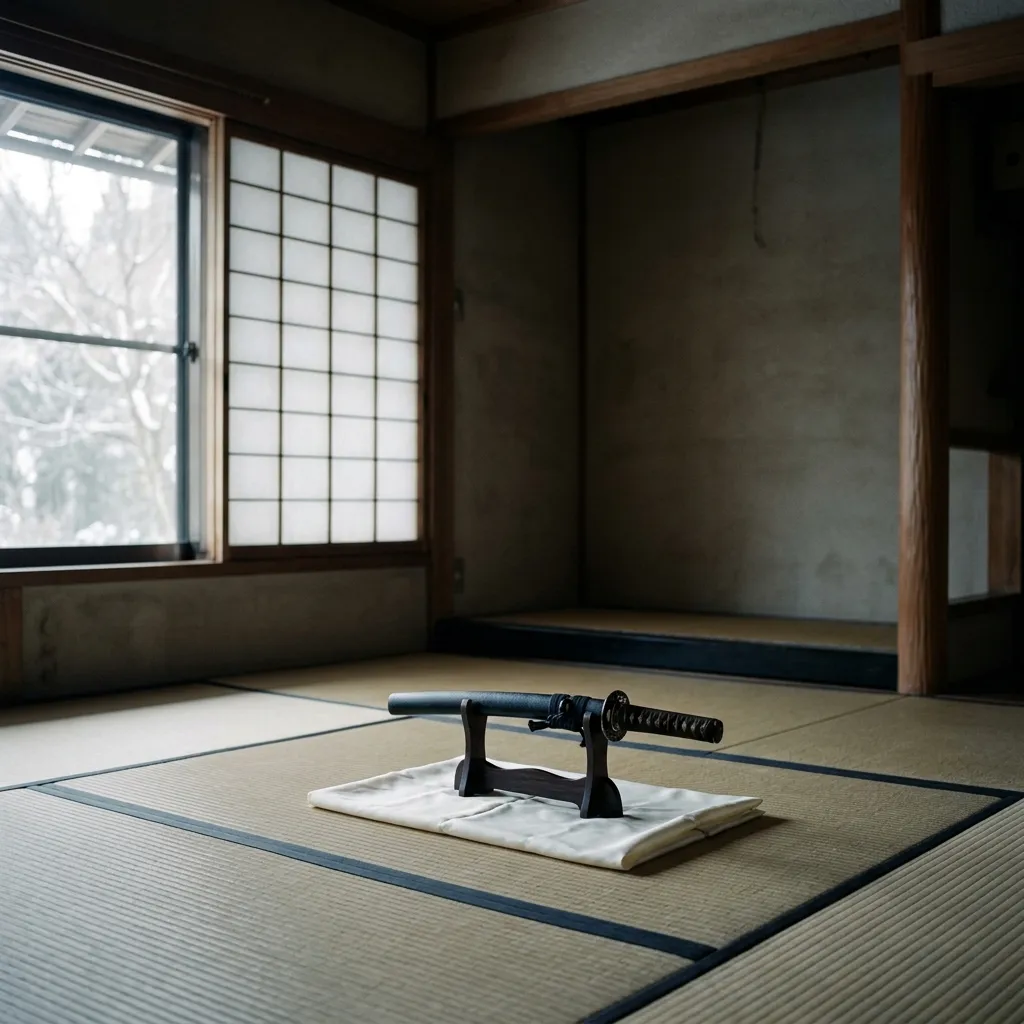
Discover how some forms of seppuku became highly ritualized penal procedures under the Tokugawa shogunate—sometimes replacing the abdominal cut with a symbolic fan.
The popular imagination of feudal Japan often hinges on a specific, hyper-stylized image: a stoic warrior calmly opening his own abdomen to preserve his honor. Seppuku—a form of ritual suicide historically associated with Japan's warrior class—did not always follow a single procedure. While voluntary and battlefield seppuku certainly existed and carried deep cultural weight, a closer examination of the Edo period (1603-1867) reveals a more complex reality. As the Tokugawa shogunate consolidated power, one form of penal seppuku became so ritualized that the abdominal cut could become entirely symbolic.
Not All Seppuku Was the Same
On the battlefields of the Sengoku era, warriors might take their own lives to avoid capture or dishonor. Other forms of voluntary warrior suicide also existed, including junshi, the practice of following a deceased lord in death. However, in her historical analysis The Taming of the Samurai, sociologist Eiko Ikegami details how the shogunate systematically absorbed these older warrior practices into a regulated system of status and punishment. To manage the warrior class during a time of relative peace, the state heavily institutionalized penal seppuku for elite offenders, incorporating an older warrior practice into a meticulously regulated penal procedure.
The Bureaucracy of the Blade
This formalization subjected the procedure to extensive administrative regulation. Manuals dictated the dimensions of the ritual space, the garments worn, and the specific objects used. Traditionally, a short dagger was placed on a plain wooden stand before the condemned. However, during the Tokugawa period, especially in formal penal seppuku, the abdominal cut could become increasingly symbolic.
In some highly formalized executions, the blade itself could be replaced by a symbolic wooden object or a closed folding fan. The physical reality of a self-inflicted wound was sometimes minimized or eliminated entirely, shifting the focus to the rigid, predictable completion of the ritual.
The Wooden Fan Illusion
When a wooden fan was used, the mechanics of the execution became a matter of precise choreography. The samurai would reach out to touch the symbolic fan resting on the stand. The instant his fingers moved toward the object, the fatal act was performed by the designated kaishakunin (second) standing behind him, who would deliver a precise stroke with a long sword.
The role of the kaishakunin was critical in maintaining the dignity of the ritual. In the technique commonly described as dakikubi, the cut intentionally left a small portion of tissue connecting the head to the body, preventing the severed head from rolling away across the mats.
Reframing Samurai Death for a Modern Audience
The pristine, romanticized vision of the samurai spirit that permeates modern international culture is heavily influenced by later interpretations. The 1899 publication of Bushido: The Soul of Japan by Nitobe Inazo—written in English for a Western audience—did not invent samurai ethics, but the modern concept of bushidō was itself being reshaped and systematized during the Meiji era. His English-language presentation nevertheless helped popularize a coherent and strongly moralized image of bushidō among international audiences—an image shaped as much by modern debates about Japanese identity as by the diverse realities of the historical warrior class.
The historical artifacts that survive—the meticulous diagrams of seating arrangements and the procedural manuals—do not merely reflect an untamed martial spirit. They reveal how Tokugawa authority could absorb an older warrior practice into an increasingly regulated language of status, punishment, ceremony, and controlled violence.
Frequently Asked Questions
Did samurai always cut their abdomen during seppuku?
No. While voluntary seppuku on the battlefield often involved an actual self-inflicted wound, later Tokugawa penal seppuku sometimes relied entirely on a symbolic object like a wooden fan, with the actual cause of death being decapitation by a kaishakunin.
Why were wooden fans used in some executions?
As penal seppuku became increasingly formalized during the Edo period, some procedures minimized or eliminated the abdominal cut and relied on the kaishakunin to deliver a predictable fatal stroke. Symbolic objects substituted for actual weapons.
Did Nitobe Inazo invent the concept of Bushido?
No, Nitobe did not invent warrior ethics. However, his 1899 book 'Bushido: The Soul of Japan' helped systematize and popularize a highly moralized image of samurai for an international audience, which sometimes glossed over complex historical realities.
What is the difference between seppuku and harakiri?
Seppuku and harakiri use the same two kanji for 'cutting the abdomen,' but seppuku is the Sino-Japanese reading historically associated with the formal term, while harakiri uses the native Japanese reading and is generally more colloquial.