Obake-Yashiki: Why Japan's Haunted Houses Feel So Different
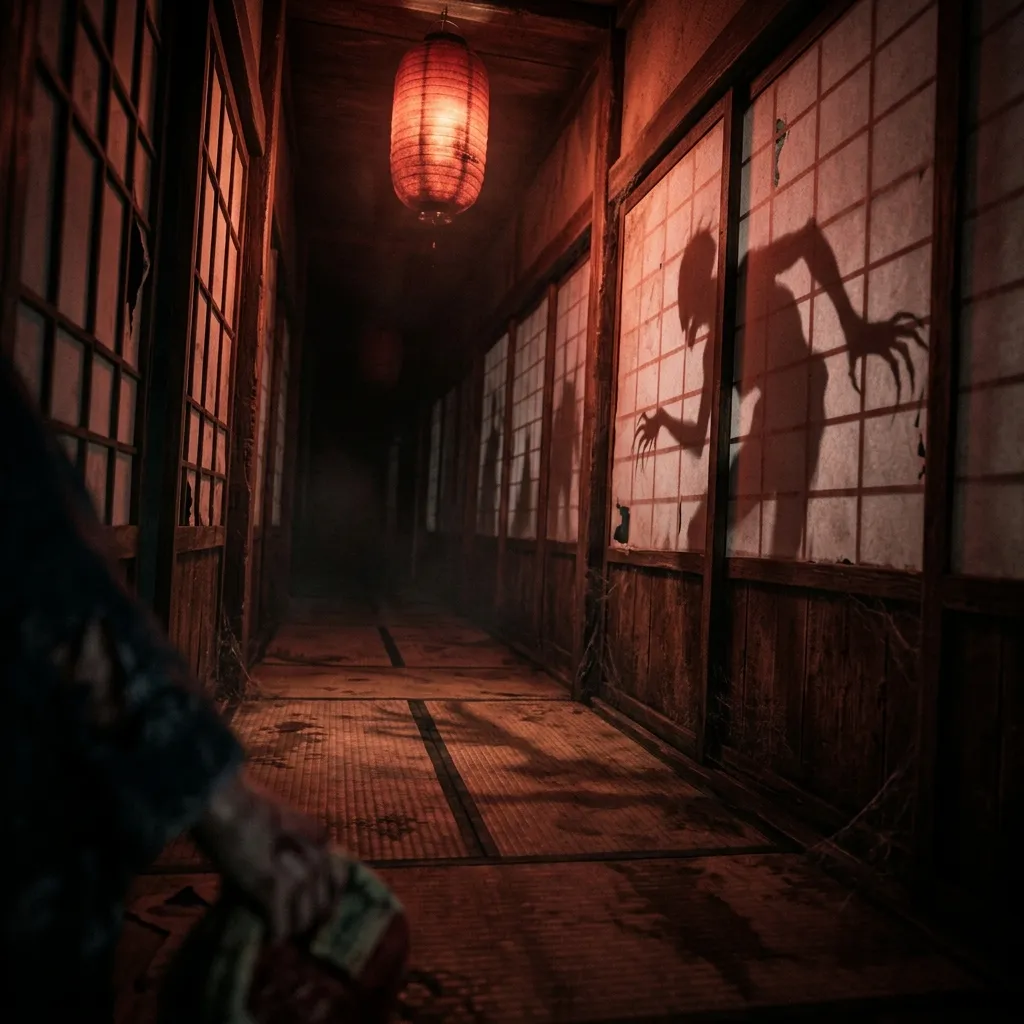
Discover the history of Japan's obake-yashiki, from summer kaidan traditions to the terrifying Senritsu Meikyu at Fuji-Q Highland.
Japanese obake-yashiki (ghost houses) often place a strong emphasis on anticipation, atmosphere, and spatial tension. Rather than relying solely on sudden shocks, these attractions aim to slowly unsettle the visitor. The fear is generated primarily by the dread of what might be waiting in the dimly lit corridors ahead.
The historical background of these attractions is complex. Edo-period kaidan (ghost stories), theatrical ghost effects, visual spectacles, and other popular entertainments formed part of the cultural background from which later haunted attractions developed. By the 1830s, Edo audiences were already visiting commercial bakemono displays and haunted-house-style attractions, offering a clearer historical precedent for later obake-yashiki. The association between ghost stories and summer was reinforced by Obon traditions and seasonal theater. A popular explanation also held that frightening stories offered a welcome "chill" during Japan's oppressive summer heat.
This seasonal association remains visible today. While modern obake-yashiki are far more technologically advanced than Edo-period storytelling, their summer popularity continues Japan's long-standing cultural connection between the supernatural and the hottest months of the year.
When Space Becomes the Threat
Spatial manipulation plays an important role in many modern obake-yashiki. Some use settings modeled on abandoned hospitals, schools, or old homes. The Super Scary Labyrinth of Fear (Senritsu Meikyū) at Fuji-Q Highland, for instance, operates within a massive two-story structure designed as a decaying quarantine hospital. The journey is walked on foot, forcing participants to make their way through nearly a kilometer of winding corridors. There is no predetermined pace; the tension builds the longer visitors hesitate.
The designers of these spaces understand that what remains unseen exerts significant psychological pressure. The lighting is deliberately kept dim, rendering peripheral shapes ambiguous. A stained piece of hanging fabric might simply be a curtain, or it could conceal an actor. The silence is often dense, punctuated by sparse but realistic spatial audio: the slow drip of water, a muffled sob, or the creeping crunch of footsteps approaching from behind.
When Visitors Become Part of the Experience
The psychological impact can be heightened through direct visitor participation. Visitors might be required to complete a specific task or solve a riddle to proceed. This active participation forces individuals to engage directly with the environment, making them feel like part of the experience rather than mere observers.
Emerging from the suffocating darkness of an obake-yashiki into the blinding glare of a Japanese summer day is a disorienting experience. At Fuji-Q Highland, long, dimly lit hospital corridors and multisensory effects sustain the tension until visitors reach the end of the attraction.
Frequently Asked Questions
Are Japanese haunted houses too scary for children?
It depends on the attraction. Some Japanese haunted houses are family-oriented, while intense attractions such as Senritsu Meikyū impose age, health, and supervision requirements (e.g., elementary school students must be accompanied). Check the attraction's current rules before visiting.
Where is the most famous obake-yashiki in Japan?
One of Japan's best-known obake-yashiki is Senritsu Meikyū at Fuji-Q Highland, set in a massive faux-abandoned hospital. The current route is roughly 900 meters long and takes about 50 minutes to walk through.
Why are haunted houses popular in the summer in Japan?
Japanese ghost stories became strongly associated with summer through traditions surrounding Obon and seasonal theater. The popular idea that frightening stories help people "cool off" by giving them chills also became part of this summer-horror tradition.
What is a kaidan?
Kaidan are traditional Japanese ghost stories. They became strongly associated with summer through Obon and seasonal theatrical traditions. A popular explanation also holds that their spine-tingling effect offered a sense of relief from the summer heat.