Kakashi Shadow Games: Is This Samurai Story History, Folklore, or Modern Invention?
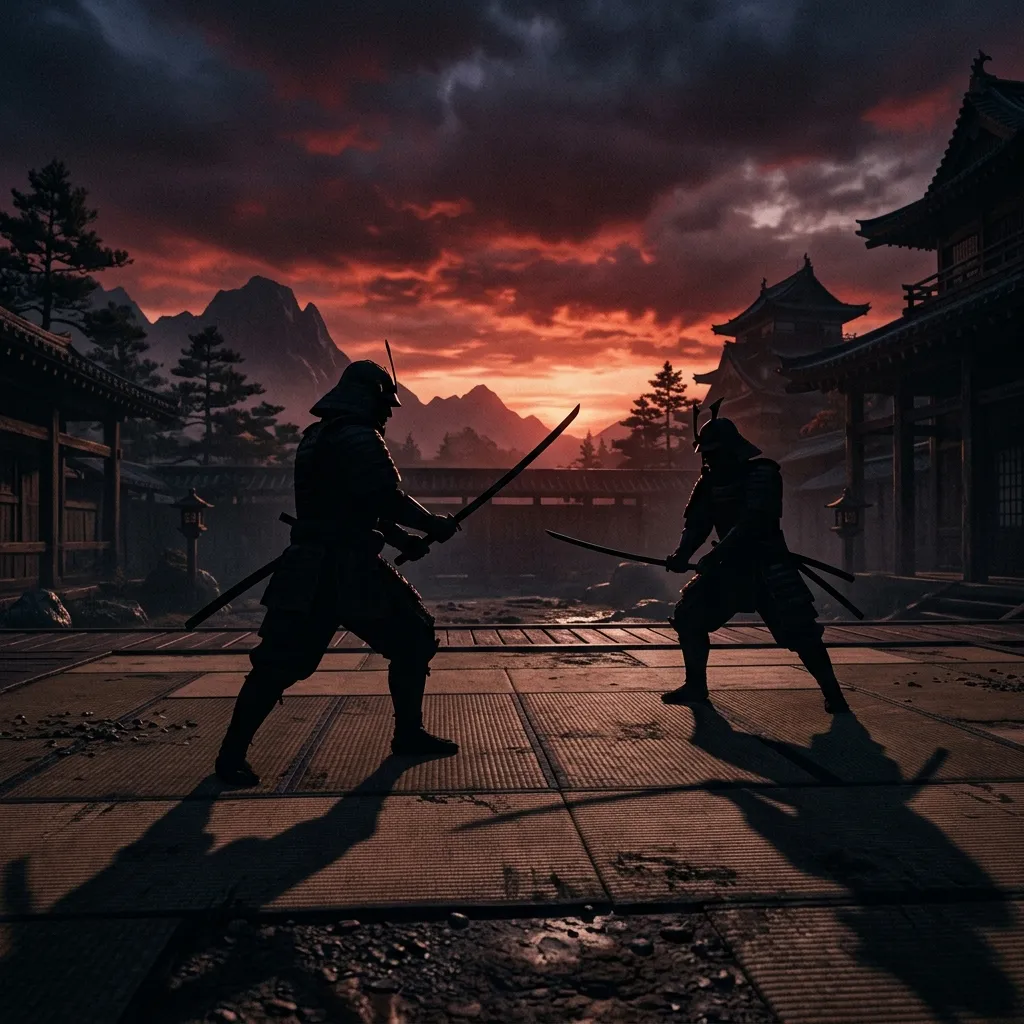
Investigating the claim of a supposed Edo-period tradition called the 'Kakashi Shadow Games' and exploring the reality of Japanese martial arts.
A supposed Edo-period tradition known as the "Kakashi Shadow Games" describes an underground network where masterless samurai allegedly gathered in midnight bamboo groves to engage in purely psychological duels. According to this narrative, master swordsmen projected such intense lethal intent that they could defeat an opponent without drawing their blades. The provenance of the claim itself is unclear, presenting a captivating image of two warriors locked in absolute stillness.
An investigation into Japanese martial history reveals a fundamental problem: no credible documentation of a tradition by this name has been identified in the historical and martial-arts sources examined for this article. The story appears to be an unverified modern construction, yet it borrows motifs familiar from genuine Japanese sword traditions, making it sound remarkably plausible.
Where Did the Kakashi Story Come From?
We do not know the exact origin of the story. The Japanese word kakashi (案山子) ordinarily means "scarecrow"; no evidence examined for this article links the term to a secret samurai dueling society. Claims that the Shadow Games are an established piece of Japanese folklore also lack substantiation. Tokugawa authorities tightly regulated samurai conduct, weapons, and unauthorized violence during the Edo period (1603–1867). During the Edo period, existing sword traditions continued to formalize and evolve, while protective equipment, shinai training, and eventually inter-school competition became increasingly prominent. However, the sources examined provide no evidence for the motionless midnight showdowns described in the Kakashi story.
The Real Concept of Sakki — Killing Intent
The story likely sounds convincing because it echoes real concepts. One such principle is sakki (殺気), which literally refers to murderous or killing intent. In Japanese martial contexts, sakki describes the perceived intention or threat of an opponent preparing to attack. The All Japan Kendo Federation utilizes this concept in its instructional materials, where practitioners must sense and respond to the sakki of an opponent.
Sensing an adversary's intent need not imply a supernatural force; in practical martial contexts, intent can be inferred through cues such as posture, timing, distance, and movement. Karl Friday's study of Kashima-Shinryu documents broader strategic and psychological dimensions within classical Japanese martial culture.
Seme, Timing, and Winning Before the Strike
Similarly, the modern kendo concept of seme involves applying physical and psychological pressure to threaten an opponent. The legendary swordsman Miyamoto Musashi described related strategic principles of initiative, timing, and suppressing an opponent's intent. In translations of The Book of Five Rings, one of Musashi's strategies in the Fire Scroll is often rendered as "To Hold Down a Shadow," a technique about perceiving and suppressing an enemy's attacking spirit.
One possible ingredient in the modern construction of the "Kakashi Shadow Games" is a blending of these authentic terms. A modern retelling could easily mix "shadow," attacking spirit, and Edo-era samurai into a fictionalized secret society. However, there is currently no evidence that Musashi's "shadow" terminology directly gave rise to the Kakashi claim. Psychological pressure and initiative could shape an engagement before the decisive physical action occurred. In historical combat, however, such psychological and strategic principles remained connected to physical action; the sources examined provide no evidence for motionless "mind duels."
Verdict: History, Folklore, or Modern Invention?
If the Kakashi story feels plausible, it is because it turns subtle ideas about timing, intent, and psychological pressure into a cinematic contest of invisible power. Its appeal is easy to understand: the story transforms authentic martial principles into a dramatic narrative of unquantifiable mastery.
Yet, the reality of Japanese swordsmanship requires no embellishment. The true legacy of the samurai mind is not found in supposed secret societies, but in the rigorous, documented concepts of sakki and seme that continue to challenge martial artists today.
Frequently Asked Questions
Are the Kakashi Shadow Games a real historical tradition?
No credible historical evidence has been identified for a tradition by that name. It appears to be a modern construction, although its exact origin is unclear.
What does 'sakki' mean in Japanese martial arts?
Sakki (殺気) literally refers to murderous or killing intent. In Japanese martial contexts it can describe the perceived intention or threat of an opponent preparing to attack.
Did samurai really engage in psychological combat?
Japanese sword traditions include concepts concerned with initiative, awareness, pressure, and reading an opponent, including ideas expressed through terms such as sakki and seme.