The Kerobokan Reality: Tourism and Indonesia's Narcotics Laws
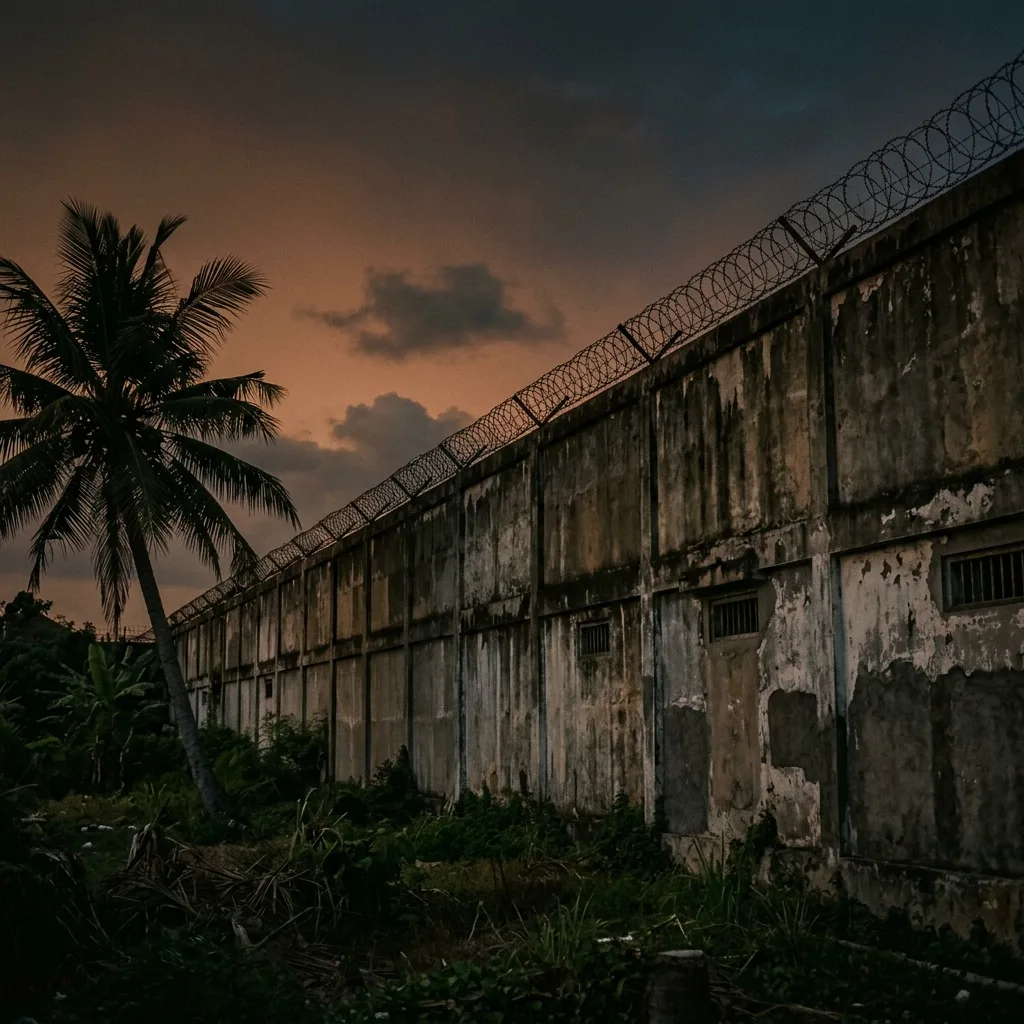
How Bali's tourism image obscures the reality of Indonesia's 2009 Narcotics Law, where drug offenses carry severe penalties and crossing legal boundaries has uncompromising consequences.
Bali's tourism industry sells freedom unusually well. Beach clubs, wellness retreats, and vibrant nightlife help create an image of an island where ordinary constraints temporarily disappear. Indonesia's narcotics law provides a sharp counterpoint: some drug offenses carry penalties extending to life imprisonment and, in specified circumstances, the threat of the death penalty. These two radically different realities exist side by side, separated only by the strict enforcement of the 2009 Narcotics Law (UU No. 35 Tahun 2009).
What Indonesia's Narcotics Law Actually Says
The 2009 Narcotics Law classifies substances into groups and distinguishes between several types of criminal offenses, such as use, possession, and trafficking. The often-repeated claim that possessing more than five grams of drugs in Indonesia automatically carries the death penalty is misleading. If the weight of possessed Group 1 non-plant narcotics exceeds five grams, Article 112 increases the potential penalty to life imprisonment or a prison term of 5 to 20 years, along with increased maximum fines as determined by law. However, this threshold does not automatically reclassify possession as trafficking. Acts such as offering for sale, selling, brokering, or distributing are governed separately under Article 114, which under specific circumstances can carry the death penalty.
Possession Is Not the Same as Personal Use
Navigating this legal landscape is perilous for foreign nationals caught in the system. During investigations into suspected drug use, authorities may utilize urine testing as part of the examination process. Article 127 governs the penalties for personal use of Group 1, II, and III narcotics, while the legal process must also account for statutory provisions regarding rehabilitation.
Inside Kerobokan's Documented Reality
Kerobokan Prison has become one of the institutions most frequently associated with this other side of Bali. Investigative journalist Kathryn Bonella documented the conditions and social life inside Kerobokan in her 2009 book Hotel Kerobokan. During the period she documented, inmates navigated a highly commodified internal economy where space, basic nutrition, and mattresses were essentially rented or purchased within the prison's informal hierarchy. Built in 1979 to originally house 300 inmates, the facility has undergone expansions over the decades. However, recent data from 2026 indicates the prison continues to struggle with severe overcrowding, holding over 1,800 inmates against a revised capacity of approximately 1,480.
When Paradise Meets the Penal System
Foreign embassies hold no authority to politically interfere with these sovereign legal proceedings. In the study of Indonesian law and society edited by Tim Lindsey, the application of the death penalty can also be read within a broader context regarding politics, law, and state sovereignty. Bali's tourism economy and Indonesia's narcotics regime occupy the same island, but they sell radically different ideas of what Bali is. One promises escape; the other makes clear that crossing a legal boundary carries consequences far beyond anything suggested by the island's international image.
Frequently Asked Questions
What does the 5-gram rule mean in Indonesia's Narcotics Law?
Under Article 112, possessing more than 5 grams of Group 1 non-plant narcotics increases the penalty to life imprisonment or a prison term of 5 to 20 years. However, this threshold does not automatically reclassify possession as trafficking and does not automatically carry the death penalty.
What happens if a tourist tests positive during a nightclub urine test?
Urine tests can be part of an investigation into suspected drug use. Article 127 regulates penalties for personal use, while the legal handling of cases must also consider provisions regarding rehabilitation.
Can foreign embassies intervene in drug-related arrests in Bali?
No. Embassies possess no authority to politically or legally interfere with Indonesia's sovereign judicial process. They can only assist by providing a list of local attorneys and checking on a citizen's welfare.