The 1998 Banyuwangi Ninja Killings
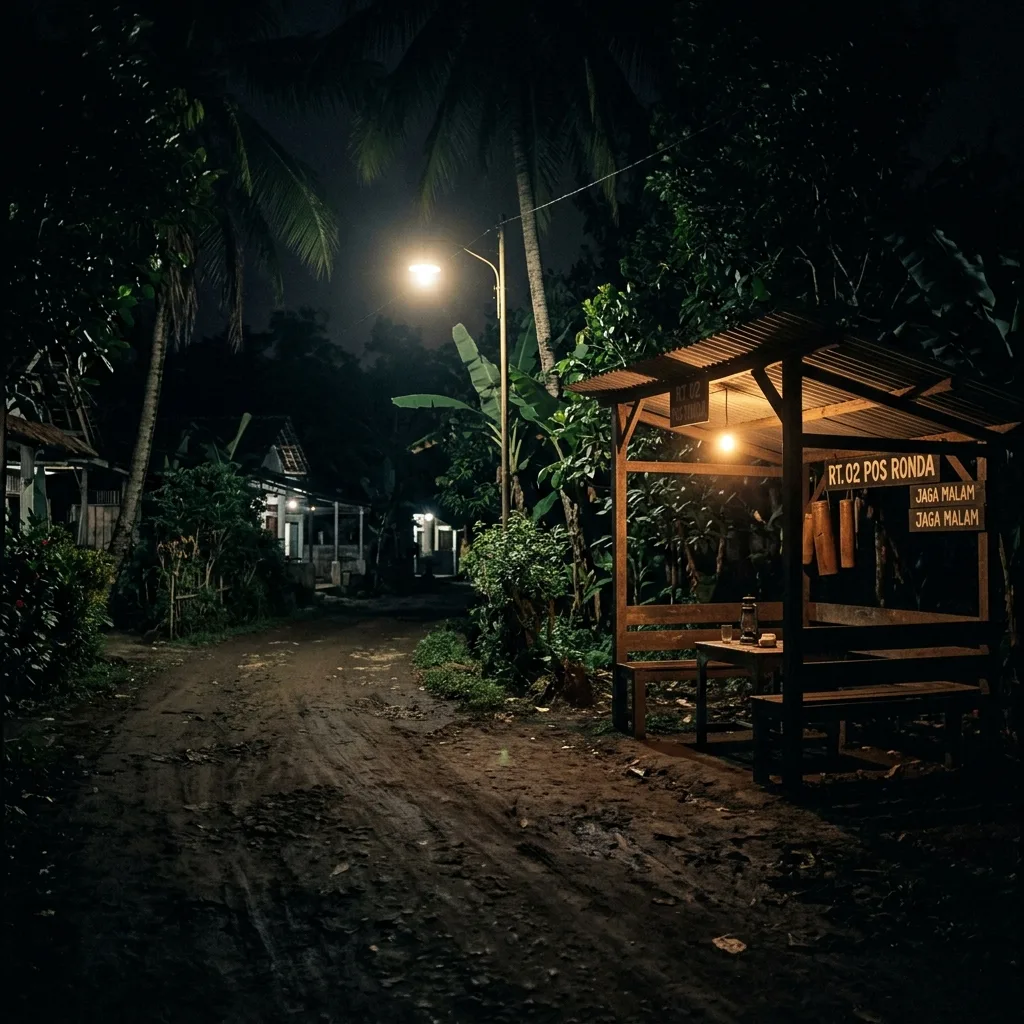
During Indonesia's 1998 political crisis, hundreds of people were killed in East Java amid accusations of sorcery, vigilante violence, and a mysterious panic over so-called 'ninjas.'
On February 6, 1998, during the final months of President Suharto's rule, the Regent of Banyuwangi issued a formal radiogram. The document instructed local village heads to identify and protect residents who had previously been accused of practicing santet (black magic). Intended to prevent vigilante violence, the intervention backfired. When the collected data leaked to the public, rumors spread that the government was compiling a hit list. Soon after, a wave of killings targeting suspected sorcerers began to sweep across the agricultural regency at the eastern tip of Java.
A Witch-Hunt Amid Political Crisis
The violence intensified amid the severe economic crisis, high inflation, and political turmoil surrounding Indonesia's 1998 democratic transition. In rural communities, this macro-level instability exacerbated long-standing local fractures. When crops failed or sudden illnesses struck, residents often blamed their neighbors. In an environment lacking strong law enforcement, these accusations contributed to a wave of vigilante killings.
The "Ninja" Panic
As the killings continued into the latter half of the year, a second, overlapping phenomenon emerged: the "ninja" panic. Local media and Islamic organizations began circulating reports of mysterious, organized assassins targeting religious clerics and sorcerers alike. According to widespread rumors, these perpetrators dressed entirely in black, wore masks, and operated with tactical precision.
However, the reality of these "ninjas" remains highly contested. In his 2016 book Witch-Hunt and Conspiracy: The 'Ninja Case' in East Java, anthropologist Nicholas Herriman cautions that empirical evidence for professional, black-clad assassins is remarkably thin. The terror they inspired, however, was absolutely real. Driven by paranoia, villagers across East Java established neighborhood night watches. In a tragic irony, these patrols often ended up interrogating, torturing, or lynching innocent strangers passing through their towns, mistaking them for the mythical ninjas.
Competing Explanations
The complexity of the Banyuwangi case lies in this intersection between local sorcery beliefs and national political anxiety. At the time, conspiracy theories flourished. Many Indonesians believed the killings were a top-down military operation designed to destabilize the political opposition, while others blamed rival political factions or religious organizations. Herriman's research challenges these monolithic conspiracy theories, arguing that the violence was primarily driven by intense local dynamics and the collapse of state authority, rather than a single master plan.
Regardless of the ultimate cause, the death toll was staggering. A 2018 investigation by Indonesia's National Commission on Human Rights (Komnas HAM) documented 309 fatalities related to the violence across East Java (with 194 victims in Banyuwangi, 108 in Jember, and 7 in Malang). The commission concluded that the state was guilty of "omission"—failing to intervene and allowing the violence to spread unchecked for months. It was only in October 1998 that military police launched a massive crackdown to restore order.
The Lingering Mystery
Today, the 1998 killings are rarely discussed openly in Banyuwangi. What remains certain is that hundreds of people were murdered in cold blood, and that the fear of both sorcerers and ninjas dictated life for nearly a year. But the popular image of a singular, highly trained squad of masked assassins carrying out a coordinated operation remains elusive—leaving the true identities and roles of the "ninjas" as one of the most controversial unresolved aspects of the 1998 violence in East Java.
Frequently Asked Questions
Were the 1998 ninja killings in Banyuwangi real?
The wave of killings was absolutely real, though the identity of the "ninjas" remains contested. A National Commission on Human Rights (Komnas HAM) investigation documented 307 fatalities across East Java. The violence was largely a witch-hunt against suspected sorcerers that evolved into a massive public panic.
Has the identity of the 'ninjas' been proven?
No. While anthropological research points to intense local community dynamics driving the violence, and Komnas HAM determined the state was guilty of omission for failing to stop the violence, no specific masterminds or highly trained military units were ever definitively prosecuted for orchestrating the "ninja" death squads.
Is it safe to travel to Banyuwangi today?
Yes. The violence of 1998 was a specific historical anomaly tied to the collapse of the New Order regime. Today, Banyuwangi is a safe and rapidly developing tourism destination known for its natural beauty, including the Ijen Crater and Alas Purwo National Park.