Nyepi: Ritual, Politics, and 24 Hours of Silence in Bali
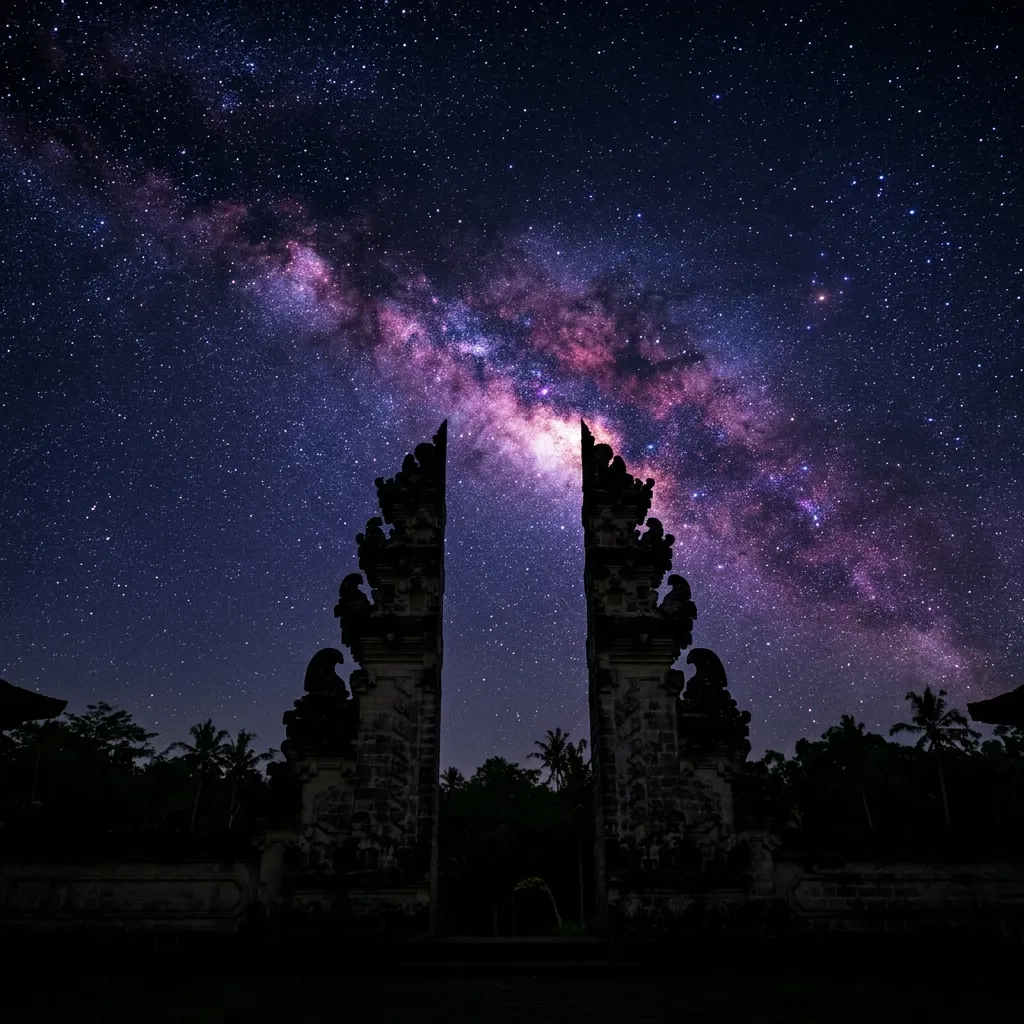
Nyepi halts most activity in Bali for 24 hours. Behind the silence lies a complex relationship between Balinese Hindu rituals, state policy, technology, and tourism.
In the dense intersections of Kuta and Seminyak, the sudden cessation of activity is distinct. Every year, Bali enters Nyepi, a sacred day marking the Saka New Year. Operations at Ngurah Rai International Airport halt, automated teller machines are deactivated, and the normally active arterial roads empty entirely. While often marketed as a peaceful spiritual retreat, behind the silence lies a complex arrangement involving indigenous communities, religious authorities, the government, and the tourism industry.
The Catur Brata Penyepian
By 6:00 AM on the morning of Nyepi, the Catur Brata Penyepian (four prohibitions) takes effect. The island mandates Amati Geni (no fire or light), Amati Karya (no physical labor), Amati Lelunganan (no travel), and Amati Lelanguan (no entertainment). According to local folklore, the island must feign absolute emptiness to trick roaming malevolent spirits into leaving. To ensure compliance across the province, traditional neighborhood security forces known as Pecalang, clad in black-and-white checkered sarongs, patrol the streets.
The silence of Nyepi is sharply contrasted by the night that precedes it. During Tawur Kesanga, local youth councils (banjar) parade towering demonic effigies known as Ogoh-ogoh through the streets. Yet, these structures are a surprisingly recent addition to the ritual. As documented by scholar Laura Noszlopy in her ethnographic research, the giant effigies only gained widespread traction in the early 1980s as a grassroots youth cultural movement. However, the parades did not long remain a purely independent expression of youth culture; they were quickly co-opted and sponsored by political figures for visibility and tourism appeal.
State Standardization and the Digital Blackout
The evolution of the Ogoh-ogoh reflects a broader historical pattern of the state actively shaping Balinese religion. Anthropologist Michel Picard has long documented how religious practices in Bali have been standardized and managed to align with national agendas and cultural tourism. In recent years, this management has extended into the island's digital infrastructure.
Since 2018, at the request of the Parisada Hindu Dharma Indonesia (PHDI), the national Ministry of Communication and Informatics has mandated a 24-hour shutdown of mobile internet data across Bali. Telecommunication providers comply by restricting cellular data access for the duration of the holiday. In practice, this policy expands the enforcement of Nyepi from the social space into communication infrastructure.
The Dual Reality of Tourism
While the local population observes the strict prohibitions within their family compounds, the tourism industry negotiates a different reality. During Nyepi, tourists are requested to remain within the grounds of their hotels or accommodations in accordance with the prevailing regulations. However, within the confines of large resorts, some internal facilities often continue to operate for guests.
As a result, Nyepi can be experienced quite differently. For the Balinese, it is an enforced day of introspection and restriction. For the tourism sector, it is often reframed into "staycation packages," accommodating visitors who wish to observe the island's closure without experiencing the full restrictions faced by the community outside the hotel walls.
Nyepi survives not because Bali is frozen in the past, but because its rituals are constantly negotiated. The 24 hours of silence are maintained through a complex, ongoing arrangement with technology, state infrastructure, and the realities of global tourism.
Frequently Asked Questions
Is the internet turned off during Nyepi in Bali?
Yes. Since 2018, the Indonesian government mandates a 24-hour shutdown of mobile internet data across the island to enforce the religious observance, although fiber-optic Wi-Fi in luxury hotels and essential services like hospitals usually remain active.
Are the Ogoh-Ogoh monsters an ancient Balinese tradition?
Not entirely. The massive Ogoh-ogoh parades as they are known today expanded widely in the early 1980s as a youth cultural movement. As they grew in popularity, the parades subsequently gained support and were utilized by political actors and the tourism industry.