Inside Maiko Training: What Kyoto's Geisha Apprentices Actually Endure
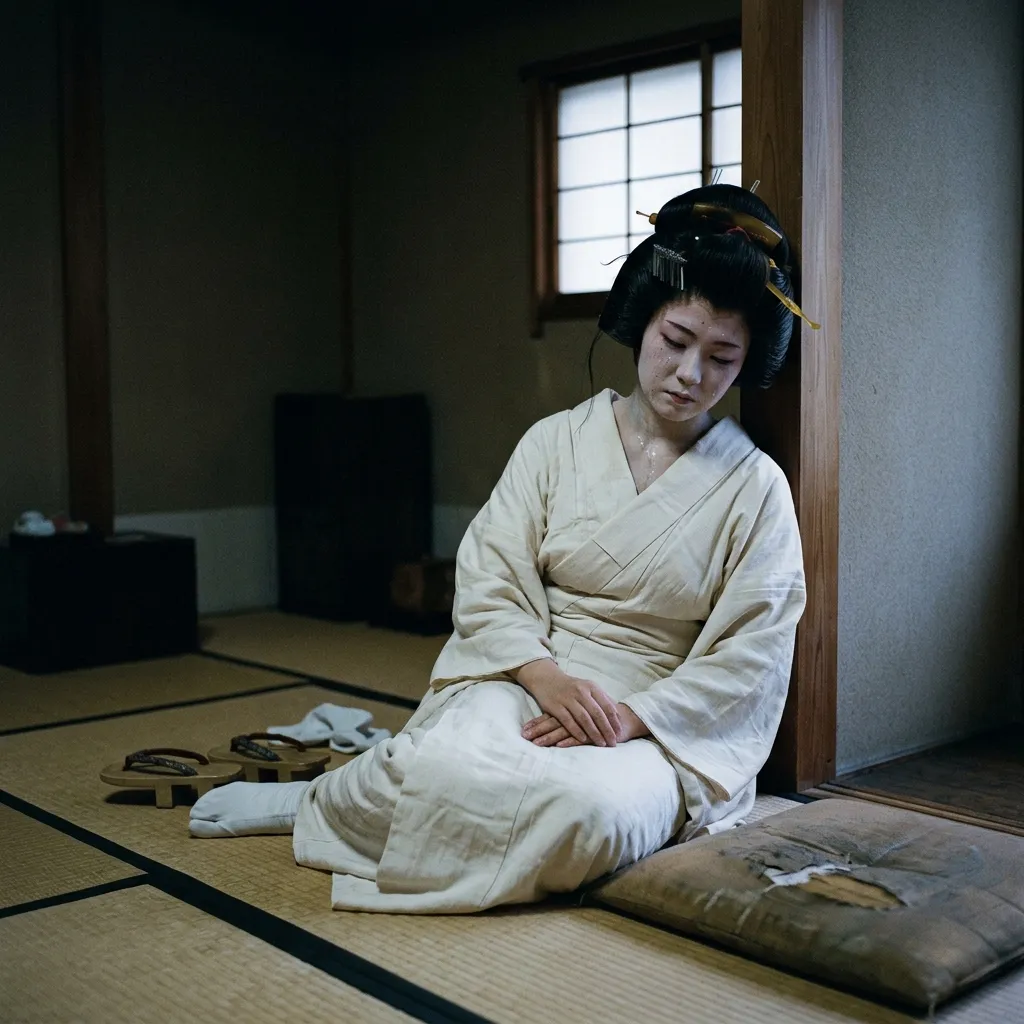
Behind Kyoto's iconic maiko appearance lies years of artistic training, demanding schedules, restrictive traditional dress, and a tightly structured communal apprenticeship.
In Kyoto's traditional entertainment districts (hanamachi), fully fledged professionals are referred to as geiko, while their apprentices are known as maiko. For a modern teenager, embarking on the path to become a maiko often begins around the age of 15, following the completion of compulsory education. Many young apprentices move into an okiya (boarding house), where their daily schedule, training, and professional life become tightly structured around the hanamachi. Modern accounts describe a highly controlled environment; trainees often face restrictions on personal smartphones and limit their communication with the outside world to focus entirely on their artistic immersion.
Before debuting in the iconic white makeup, a girl must undergo the shikomi (preparation) phase. During this period, trainees assist senior geiko, handle domestic chores within the okiya, and begin their foundational lessons. The transition from modern adolescence to a highly structured traditional hierarchy is demanding, and it is not uncommon for some apprentices to leave before their official debut. They must also quickly adapt to Kyo-kotoba, the highly stylized Kyoto dialect required for their profession.
What Does a Maiko Actually Study?
The core of a maiko's daily life is not merely maintaining an appearance, but undergoing a rigorous performing arts curriculum. In her memoir Geisha, a Life, Mineko Iwasaki detailed the extensive schooling required, which includes classical Japanese dance (mai), playing traditional instruments like the shamisen (a three-stringed lute) and tsuzumi (hand drum), as well as singing nagauta (long epic songs). Furthermore, trainees study the complex etiquette of the tea ceremony, flower arrangement (ikebana), and the art of conversation. The objective is to cultivate an encyclopedic knowledge of traditional arts to entertain elite patrons at ozashiki (banquets).
The Physical Demands of Maiko Dress
The visual elegance of a maiko masks a significant physical burden. The traditional kimono ensemble is heavy and restrictive. While the trailing darari-obi (sash) alone can measure over five meters long and weigh approximately 6 to 7 kilograms (13 to 15 pounds), the entire layered kimono ensemble can weigh between 10 and 20 kilograms (22 to 44 pounds). The apprentice must balance this weight on okobo—wooden platform shoes standing about ten centimeters (four inches) high. In her writings, Iwasaki noted the immense physical stamina required to carry this weight gracefully through long work days, which often led to chronic spinal and muscular strain.
The application of oshiroi (white makeup) involves its own rigid techniques. The skin is first prepared with bintsuke-abura (a traditional wax-like oil) to create a smooth base. The thick white powder is then brushed onto the face, neck, and chest, meticulously leaving an unpainted "W" shape at the nape of the neck (eri-ashi). Historically, the nape has been associated with sensuality in traditional Japanese aesthetics, and the contrast highlights this feature.
Why Maiko Sleep on Takamakura
Unlike geiko, who often wear elaborate wigs (katsura), a maiko must use her own natural hair to form complex, gravity-defying hairstyles like the wareshinobu. Because the hair is pulled and set with hot wax by a specialized artisan—a process that is expensive and time-consuming—the style must be maintained for several days, typically up to a week.
To preserve the hairstyle while sleeping, a maiko cannot use a standard pillow. Instead, she rests her neck on a takamakura, a small, rigid wooden stand. While it serves a highly practical purpose—preventing the waxed hair from flattening against the tatami mat—it is notoriously uncomfortable. Accounts of older training practices often describe an okaa-san (the mother of the house) placing grains of rice around the base of the takamakura; if the girl's head slipped during the night, the rice would stick to her hair, requiring the painful process to be repeated.
How the Okiya Financial System Works
Historically, the geisha profession was sometimes tied to poverty, where impoverished families entered into debt contracts or sold their daughters to okiya. However, historians clearly differentiate those historical periods from postwar and modern apprenticeship systems. Today, the okiya typically functions as a management agency that covers the substantial costs of a maiko's training, expensive silk kimonos, housing, and food.
During her apprenticeship, a maiko does not generally receive a direct salary; rather, her earnings from banquets are managed within the house system to offset her living and professional expenses. Only after she 'turns the collar' (erikae) and becomes an independent geiko does she assume control of her own finances, though arrangements can vary by house.
Are Maiko Exploited? Contemporary Debates
In recent years, the strict structure of the hanamachi has faced modern scrutiny. In 2022, a former maiko sparked a national debate by publicly alleging instances of underage drinking at banquets, financial opacity, and severe psychological pressure within her okiya. These allegations brought intense media attention to the closed world of Kyoto's entertainment districts.
However, the ensuing discussion revealed that experiences vary significantly. Following the allegations, other former apprentices shared differing accounts, noting that while the training was undeniably rigorous, they did not experience forced drinking or abuse, and they valued the artistic achievement and agency the profession offered. This ongoing debate highlights the complex reality of the maiko tradition today: it is neither a simple narrative of glamorous romance nor uniform exploitation, but a highly demanding professional apprenticeship navigating the realities of the 21st century.
Frequently Asked Questions
Are Maiko and Geisha basically forced into this life?
Historically, there were periods when impoverished families entered into debt contracts or placed their daughters in an okiya out of economic necessity. Today, entering the profession is legally voluntary. The okiya typically covers substantial training, attire, and living costs, while earnings during the apprenticeship are managed within the house system to offset these expenses; financial arrangements vary by house.
Why do Maiko paint their faces white?
Traditional white facial cosmetics (oshiroi) have a long and complex history in Japanese elite and theatrical aesthetics, originating long before modern electricity. While it is often popularly claimed that the white powder was used simply to reflect dim candlelight in banquet rooms, historians advise treating this origin story cautiously, as the practice has deeper roots in aristocratic beauty standards. The unpainted "W" shape at the nape of the neck (eri-ashi) contrasts with the white makeup to accentuate the neck, historically associated with sensuality.
Can foreigners visit an authentic Geisha teahouse?
Traditional ochaya (teahouses) generally operate on an ichigensan okotowari rule, meaning they do not accept unintroduced first-time guests. However, visitors can access legitimate maiko and geiko performances or arrange ozashiki-style experiences through authorized venues, high-end hotels, and specialized cultural intermediaries without needing a personal invitation.