Ichigensan Okotowari: The Hidden Economics of Kyoto's Geisha Teahouses
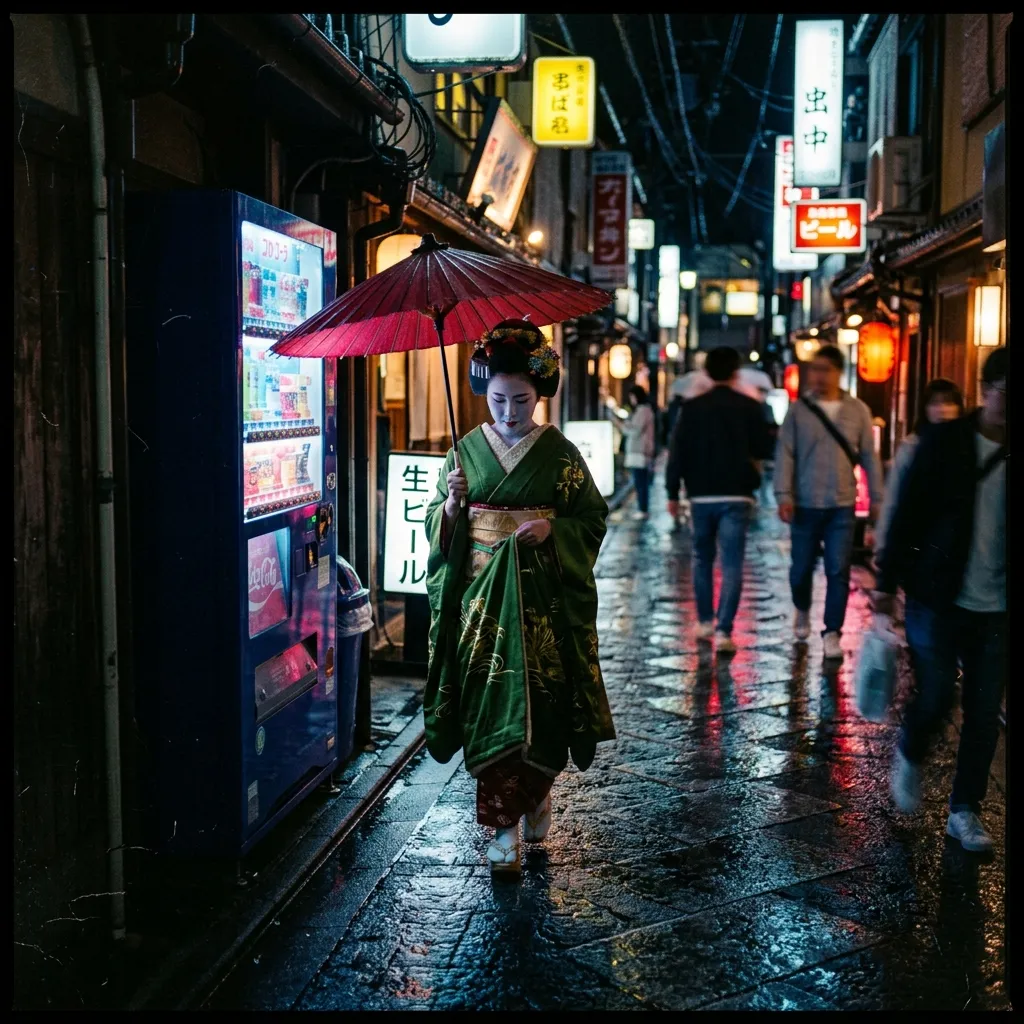
Kyoto's ochaya operate through long-standing systems of introduction, credit, personalized hospitality, and discretion—traditions that historically made them attractive to affluent business and political patrons.
When visitors walk through Kyoto's hanamachi (traditional geisha districts), such as Gion and Pontocho, they often focus on the visual spectacle of the geiko and maiko. In Kyoto, fully fledged geisha are generally called geiko, while maiko are apprentices training to become geiko. Central to this system are the ochaya (teahouses)—the relationship-based businesses that organize private ozashiki banquets. These establishments function as private hospitality venues operating through established customer relationships rather than typical public restaurants.
The foundational rule governing an ochaya is a convention often rendered as ichigensan okotowari, meaning "no unintroduced first-time guests." Wealth alone cannot buy entry. To book a banquet, a new client must be formally introduced by an established patron. The introducing patron effectively vouches for the newcomer's conduct and financial reliability. Because ochaya traditionally extend credit and settle accounts after the event rather than at the table, this system of trust reduces the financial risk of extending credit to guests.
Why Discretion Matters in the Ochaya System
The exclusivity of the ochaya serves a practical function: professional discretion. Traditional latticework (koushi) helps create a degree of visual separation between the street and the interior. The privacy and relationship-based nature of ochaya made them attractive settings for business entertaining and, historically, some political socializing.
In this environment, geiko are trained to read the room, sustain conversation, entertain guests, and adapt the tone of an evening. They are expected to maintain a broad knowledge of current affairs and subjects relevant to patrons. Scholarly research into the Kyoto hanamachi highlights that strong norms of professional discretion and confidentiality are central to the business model, allowing patrons to socialize in a private, trusted setting.
What Goes Into the Cost of an Ozashiki
The cost of hosting an ozashiki reflects the personalized nature of the service. A patron is billed for the food and drink—which are typically catered from high-end local restaurants rather than cooked in the ochaya—as well as fees for performers and musical accompaniment.
These substantial entertainment expenses were often covered by corporate budgets. Corporate entertainment spending became an important source of patronage during Japan's 1980s economic bubble. However, after the bubble collapsed, corporate entertainment spending tightened and business culture changed, reducing a source of patronage that had been especially important during the boom years.
What Was the Danna System?
One historically important form of patronage was the danna relationship. A danna was a wealthy benefactor who could provide substantial financial support to a geiko, including expenses such as costly kimono and, in some cases, the transition toward greater professional independence.
Danna relationships varied: financial sponsorship and prestige were central features, while some also involved personal or romantic relationships. They should not be reduced to a standardized sexual transaction. For wealthy patrons, sponsorship could also signal status and cultural sophistication.
How Ochaya Access Works Today
While traditional ochaya maintain their strict introduction policies for regular clients, modern visitor access has evolved. Today, tourists and unintroduced guests can access maiko and geiko entertainment through specialized intermediaries, including some private banquet experiences. High-end hotels, specialized travel agencies, and cultural concierge services can use their relationships with ochaya to arrange access and handle booking and payment.
These arrangements do not necessarily make the visitor a regular ochaya client; the intermediary manages access and payment through its existing relationship with the establishment. Through these intermediaries, international visitors can gain access without dismantling the relationship-based systems through which ochaya have traditionally managed introductions, credit, and payment.
Frequently Asked Questions
Why won't an ochaya accept first-time customers?
Because ochaya traditionally extend credit and settle accounts after the event rather than at the table, the 'ichigensan okotowari' rule reduces the risk of extending credit to unknown guests. The teahouse relies on an established patron to vouch for a newcomer's ability to pay and their adherence to the expected etiquette of the hanamachi.
Are geisha basically escorts?
No. The misconception was reinforced after World War II, when some sex workers serving foreign servicemen were described as or adopted the label 'geisha girl'. Geiko, by contrast, are professional artists and entertainers who perform at private ozashiki banquets and cultural events.
Do Danna (patrons) still exist today?
Traditional danna patronage appears to have become far less common, and modern arrangements are not well documented publicly. For that reason, it is difficult to generalize about what contemporary patronage looks like across Kyoto's hanamachi.