Wewelsburg: Himmler's SS Castle and the Black Sun Mosaic
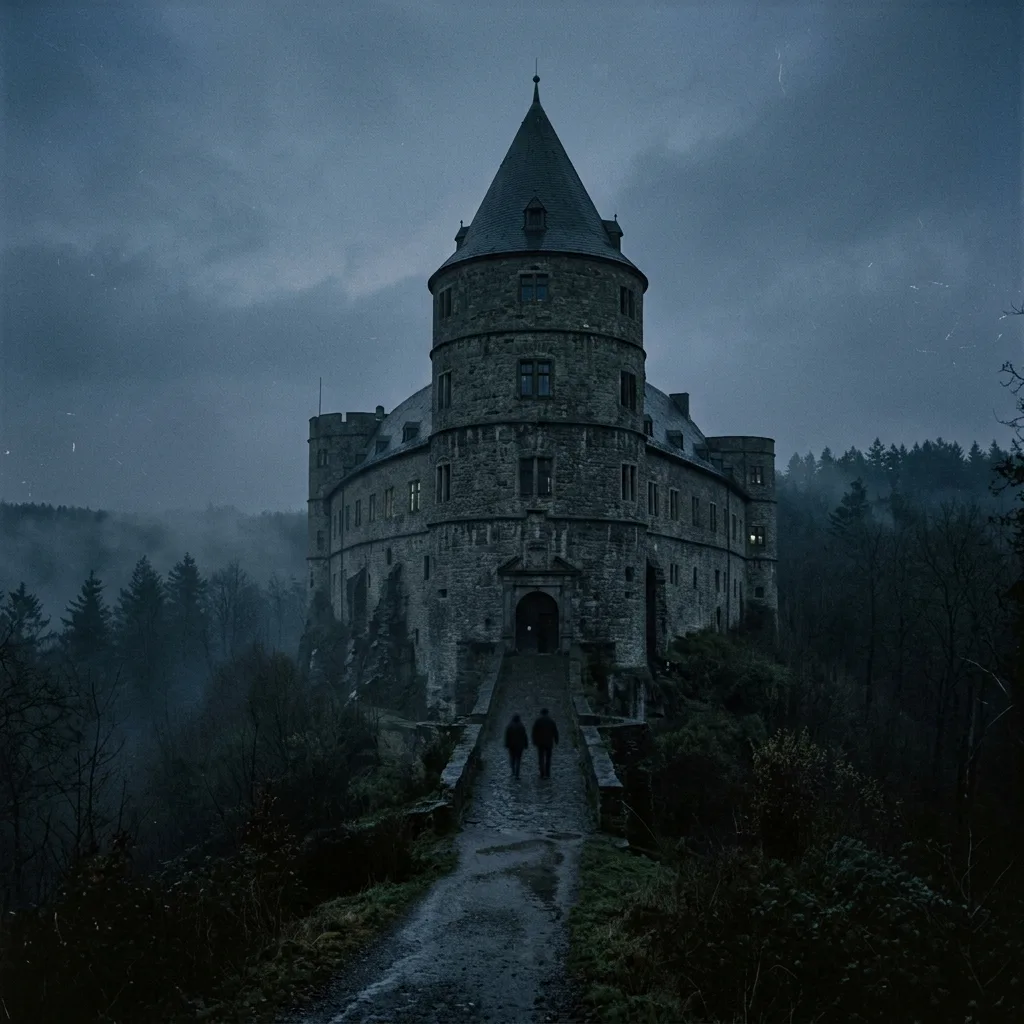
A triangular Renaissance castle that Heinrich Himmler intended to transform into the ideological center of the SS. Today, the North Tower and its 'Black Sun' mosaic remain as stark historical evidence of Nazi fanaticism.
Wewelsburg is a triangular Renaissance castle in Westphalia, Germany. In 1934, Heinrich Himmler leased the complex and began developing it as the ideological center of the SS. The project subsequently involved the forced labor of prisoners from the nearby Niederhagen concentration camp.
The North Tower and the Black Sun Mosaic
The North Tower became the main focus of Himmler's plans for Wewelsburg. Inside were the Obergruppenführersaal and a crypt designed for SS ceremonial functions.
The development of Wewelsburg cannot be separated from the Niederhagen concentration camp and the forced labor of its prisoners. According to documentation referenced by the museum, over 1,200 prisoners died during the existence of the Niederhagen concentration camp. The current museum exhibition places the victims of forced labor and the Niederhagen camp as a crucial part in understanding the history of Wewelsburg.
The Obergruppenführersaal is a circular room in the North Tower. In the center of its floor is a wheel-shaped mosaic with twelve radial elements, now commonly known as the "Black Sun." The museum places it firmly in the historical and ideological context of the SS at Wewelsburg.
Directly beneath the hall is a vaulted room known as the Crypt. Its center was designed to house an eternal flame as part of the SS ceremonial concept for the North Tower.
A Historical Counter-Narrative
Today, the Wewelsburg 1933–1945 permanent exhibition documents the history of the SS at the castle as well as the experiences of the victims of the Niederhagen concentration camp. Wewelsburg is not presented as a site of Nazi mysticism, but as a place of historical education about the ideology, violence, and crimes of the regime.
Frequently Asked Questions
Is the mosaic still there?
Yes. The mosaic is still located in the Obergruppenführersaal in the North Tower and is part of the historical context explained by the museum.
How does the museum handle the dark history?
The museum exhibition is designed to deconstruct the myths surrounding the SS, not romanticize them. The history of the victims of the Niederhagen concentration camp is a crucial part of the exhibition.